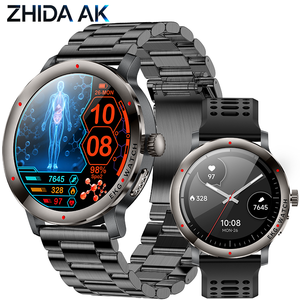
Enterprise Hardware Solutions
Engineered Wearable Platforms Available for OEM & ODM
Direct from our Shenzhen ISO-standard assembly lines: verified sensory stacks, customizable companion firmware, and end-to-end integration ready for local delivery across Melbourne and Victoria.
30,000+
Monthly Unit Capacity
1,000 m²
Shenzhen Assembly Floor
50+
R&D & In-House QC Staff
100%
ACMA RCM Compliance Scope
Architecting the Wearable Supply Chain: Shenzhen Direct Manufacturing to Melbourne Port
The Australian consumer electronics and corporate wellness landscape is experiencing a pronounced shift toward high-utility, bio-metric edge devices. For procurement executives, consumer brand leaders, and IoT solution providers based in Melbourne, sourcing wearable hardware directly from Shenzhen is no longer just about per-unit manufacturing cost—it is about architectural control, regulatory compliance with the Australian Communications and Media Authority (ACMA), intellectual property security, and companion ecosystem engineering.
Strategic Industry Insight: Sourcing wearables for Victoria requires understanding the technical line between Original Equipment Manufacturing (OEM) and Original Design Manufacturing (ODM). While OEM leverages validated hardware reference architectures with customized CMF (Color, Material, Finish), ODM requires deep-level MCU firmware compilation, board-level sensor tuning, and bespoke API integration.
Technical Comparison: Strategic Procurement Models for Australian Brands
Choosing between OEM and ODM dictates your capital expenditure, firmware lifecycle management, and time-to-market across Australian distribution networks such as JB Hi-Fi, Harvey Norman, or direct-to-consumer digital channels.
| Evaluation Parameter | White-Label / OEM Platform | Turnkey ODM Development | Bespoke IoT Sensor Integration |
|---|---|---|---|
| Primary Objective | Rapid market penetration with proven hardware | Proprietary form-factor and exclusive utility | Specialized clinical, enterprise, or athletic tracking |
| Firmware Customization | Bootloader screens, UI skins, language dictionaries | Full embedded RTOS/FreeRTOS kernel modification | Custom Bluetooth MQTT transmission intervals & raw SDK |
| Tooling & NRE Costs | Zero to negligible (laser engraving/silkscreen) | Moderate to high (custom injection molds & tooling) | High (specialized PCB layout and housing molds) |
| Lead Times (Sampling to Delivery) | 3 to 4 weeks production runway | 12 to 18 weeks (concept, DFM, tooling, pilot run) | 14 to 20 weeks with telemetry validation |
| Australian Regulatory Path | Pre-validated CE/FCC test reports mapped to ACMA | Full laboratory testing for EMC/RF compliance (RCM) | RCM + Medical Wellness classification validation |
Targeted Industrial Applications Across Greater Melbourne
Hardware must reflect the operational realities and cultural habits of the end-user. As Australia’s sports capital and an accelerating hub for digital health and logistics, Melbourne presents three high-growth B2B application spheres:
Victorian Healthcare & Aged Care Facilities
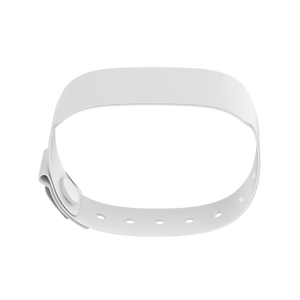
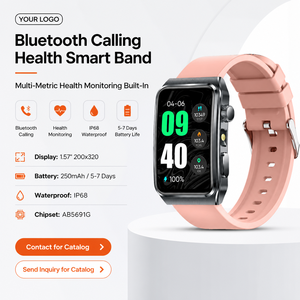
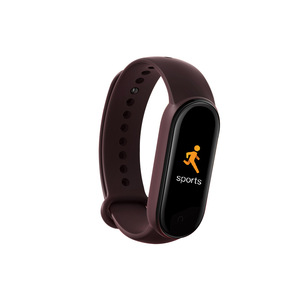
Utilizing our active BLE beacon wristbands and ECG/PPG telemetry platforms across Melbourne regional health facilities and assisted living networks. Features include automated MQTT gateway reporting, fall trend notification, non-invasive SpO2 tracking, and contact-free telemetry collection that alleviates nurse call bottlenecks.
Elite Athletic Coaching & Footy Analytics
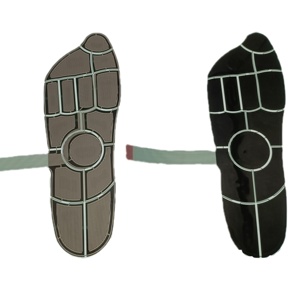
Engineered for endurance running, cycling along the Yarra, and Australian Rules Football training regimes. Our dynamic pressure-sensing smart insole sensors deliver real-time plantar force vectors, cadence symmetry, and gait strike mechanics via low-latency Bluetooth 5.4, providing local sports scientists with edge data beyond standard wristbands.
High-Street Fashion & Active Retail
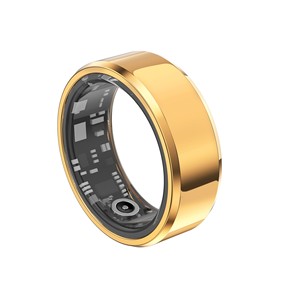
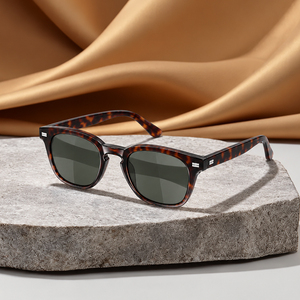
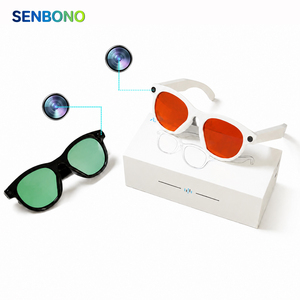
Screen-free, discrete bio-sensing through lightweight 5g titanium-alloy smart rings and polarized UV400 audio sunglasses. Melbourne’s café culture and urban commuter demographics demand multi-day battery endurance, 5ATM aquatic waterproofing, and seamless Siri/Google Assistant open-ear connectivity without conspicuous screens.
2026 Macro Trends Reshaping the Melbourne Wearable Market
Victoria's smart wearable market has outgrown basic pedometer mechanics. Sourcing strategies for this fiscal year must account for specific technological progressions:
1. Edge AI & Micro-NPU Integration: Wearable MCUs (such as Realtek and Nordic Semiconductor platforms) are now processing localized voice intent and basic gait recognition on the device, minimizing continuous 4G/5G data packet transmission to conserve battery.
2. Screen-Free Form Factor Dominance: With consumer digital fatigue climbing, smart rings (such as the TK20 platform) and audio-embedded eyewear with UV400 polarized opticals are expanding at a 34% higher CAGR than standard full-dial digital watches.
3. Sovereign Data Governance & Local Cloud Relays: Melbourne enterprise buyers consistently mandate that companion wellness apps decouple from foreign third-party cloud brokers, ensuring data sinks terminate at local AWS/Azure instances hosted in Sydney or Melbourne.
Enterprise Advantages: Shenzhen Direct Engineering Co-Development
Smart Wear Works operates under Shenzhen Sww Industrial Development Co., Ltd. Founded in June 2019, our Pingshan manufacturing base eliminates trading intermediaries, offering Australian clients direct engineering communication, agile hardware modifications, and transparent compliance pipelines.
Full Regulatory Scope (RCM / CE / FCC)
We supply complete test reports from accredited laboratories covering electromagnetic compatibility (EMC), radio equipment directives (RED), and SAR testing, ensuring seamless registration under the Australian RCM compliance portal.
In-House Firmware & SDK Architecture
Unlike factories relying on third-party design houses, our embedded engineering team handles real-time firmware alterations, raw sensor data access, white-label app compilation, and localized Bluetooth protocol optimization in-house.
End-to-End Precision Assembly
Our 1,000 m² cleanroom environment operates dedicated static-controlled assembly lines, high-precision laser-welding fixtures, automated 5ATM hydrostatic pressure chambers, and visual optical test arrays ensuring failure rates stay well under 0.3%.
Frequently Asked Questions by Australian Wearable Importers
Are your smart wearables certified for import into Australia?
Yes. Our devices carry complete CE, FCC, RoHS, and TELEC documentation. In Australia, wireless devices operating over Bluetooth and 2.4 GHz bands fall under ACMA jurisdiction. We supply the underlying test laboratory reports needed to populate your Supplier's Declaration of Conformity (SDoC) and apply the Regulatory Compliance Mark (RCM).
Can you provide a white-label mobile app with local server data routing?
Yes. For private label ODM partners, we provide white-label iterations of our companion applications (iOS and Android). We can change bundle identifiers, alter UI themes, and point telemetry API calls directly to your own Australian-based cloud infrastructure (e.g., AWS Sydney/Melbourne regions) to guarantee compliance with the Australian Privacy Principles (APPs).
What are the standard Minimum Order Quantities (MOQs) for Melbourne brands?
Standard catalog units with custom laser engraving, customized startup screens, and private-label packaging generally begin at 500 to 1,000 units. For full ODM builds requiring custom structural tooling, bespoke chassis materials, or unique PCB layouts, standard pilot runs typically begin at 3,000 units.
How are heart-rate, ECG, and blood-oxygen metrics legally positioned in Australia?
Unless your entity applies for and secures Therapeutic Goods Administration (TGA) inclusion on the Australian Register of Therapeutic Goods (ARTG), our hardware must be positioned as consumer wellness and fitness devices. We assist by structuring documentation, packaging copy, and app interfaces that align with non-diagnostic lifestyle wellness standards.
What shipping channels and transit times should we expect into Melbourne Port?
For high-volume shipments, direct ocean freight from Shenzhen/Yantian to the Port of Melbourne typically ranges between 14 and 18 days on the water. For expedited samples and small validation batches, express air couriers (DHL, FedEx, or dedicated air lines) reach Melbourne Airport (Tullamarine) within 3 to 5 business days.
Can we inspect your factory before signing an ODM manufacturing agreement?
Absolutely. We welcome either in-person factory visits to our Pingshan, Shenzhen facility or third-party audits via testing bodies such as SGS, TÜV, or your own designated quality inspection agents prior to production kickoff.
Launch Your Wearable Hardware Program for Victoria
Connect directly with our engineering division to review comprehensive spec sheets, analyze board schematics, or evaluate product samples tailored to the Melbourne market.
Get Catalog