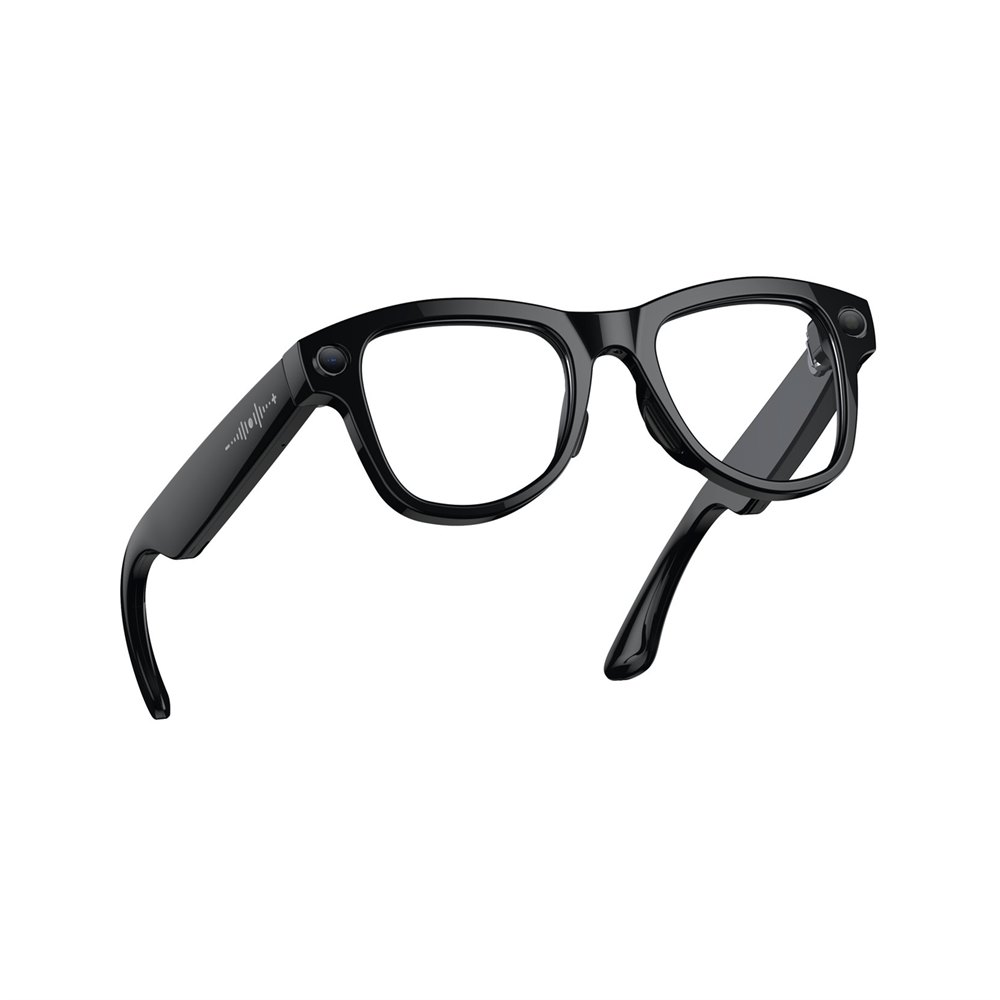
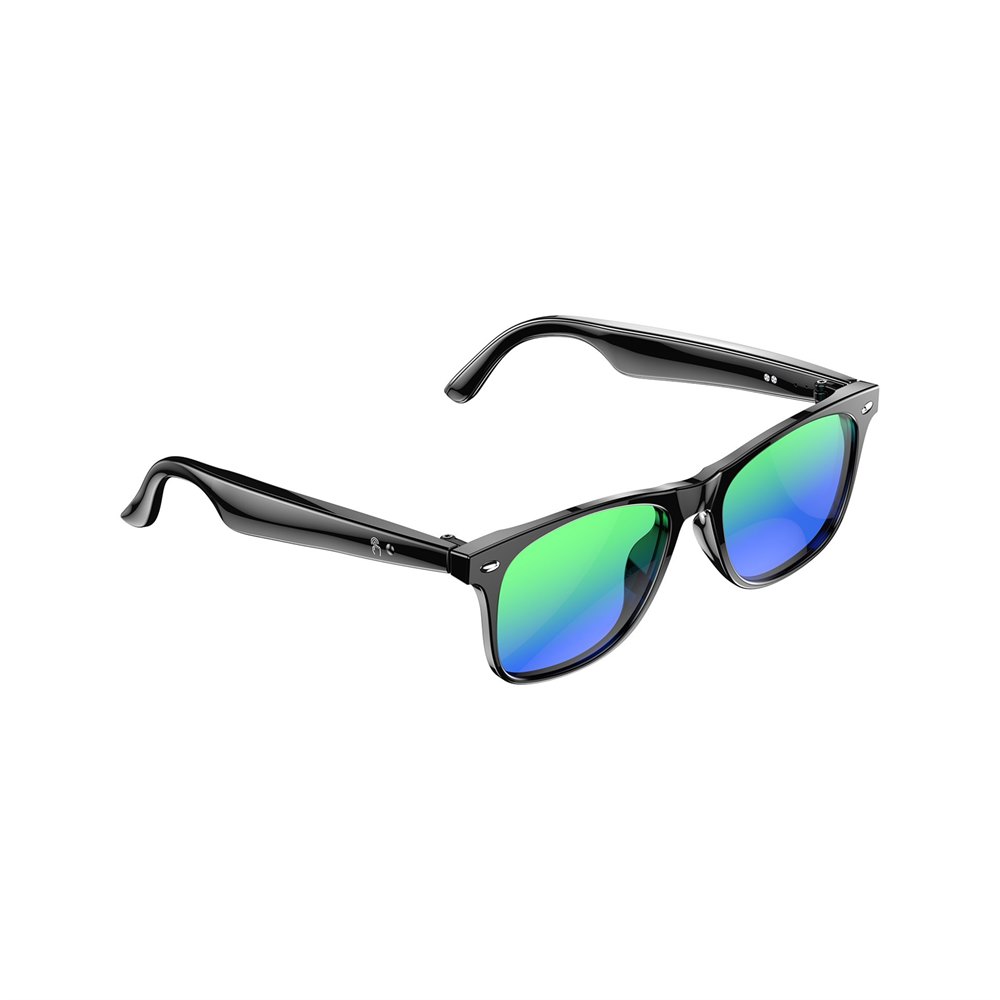
Strategic Sourcing Analysis The Global Evolution of Smart Glasses: 2025–2028 Procurement Realities & Technological Trends
By combining optoelectronic micro-assembly, Edge AI computing models, and advanced acoustic dipole engineering, smart glasses are rapidly displacing conventional TWS earbuds as the dominant hands-free computing interface. For professional procurement managers, staying ahead of this paradigm shift requires a granular understanding of hardware architectures, component trade-offs, and supply chain constraints.
1. Technological Development Trends Shaping Smart Eyewear
The smart glasses landscape has permanently moved away from cumbersome, front-heavy head-mounted displays. Modern consumer and enterprise buyers expect smart frames that look, weigh, and wear identically to luxury designer eyewear while discreetly offering intelligent features. Shenzhen Sww Industrial Development Co., Ltd focuses its R&D on five foundational pillars:
Micro-Acoustic Waveguide and Dipole Cancellation: Conventional open-ear speakers generate severe sound leakage in quiet environments. Our engineers utilize precision dipole cavities within the temple structures. The main speaker driver fires downward toward the tragus, while an auxiliary acoustic vent directs an anti-phase acoustic wave outward. Destructive interference effectively eliminates acoustic bleed beyond 40 cm without muddying bass reproduction or vocal clarity.
Multimodal Edge-AI Integration: Rather than relying purely on bulky cloud latencies, our newest firmware coordinates ultra-low-power DSP wake words on-device before bridging high-throughput queries (such as visual object recognition and speech translation) via BLE 5.3 or Wi-Fi to state-of-the-art LLM backends. This achieves sub-800 ms real-time translation response times across 163 languages in our W100 platform.
Split-Temple Thermal Balancing: Electronics generate heat; placing a battery and high-frequency SoC inside the same temple results in uncomfortable skin temperatures and premature battery degradation. Shenzhen Sww Industrial Development Co., Ltd isolates the high-density lithium polymer battery within the left temple and the system PCBA within the right temple, maintaining strict thermal thresholds below 36.5°C during continuous 1080p recording or continuous voice calls.
2. Future B2B Procurement Trends in Global Markets
Procuring smart glasses is fundamentally different from buying consumer smart watches or TWS earbuds. Optical buyers operate within medical prescription frameworks, fashion retail cycles, and stringent national privacy mandates. Global procurement teams should account for four emerging commercial dynamics:
- Prescription (Rx) Compatibility as a Baseline: Brands that sell non-glazable smart glasses face return rates exceeding 28%. Our hardware incorporates standardized 0.8 mm to 1.0 mm lens mounting grooves, allowing opticians and downstream retailers to install prescription lenses, transitions, polarized sunglass tints, or computer blue-blocking coatings directly using common optical edging machinery.
- Hardwired Privacy Protections: Regulators in Germany, France, Japan, and the United States scrutinize optical cameras closely. Software-driven LED indicators are insufficient for customs clearance in many jurisdictions because malicious firmware can disable them. Shenzhen Sww Industrial Development Co., Ltd implements physical diode circuits that directly feed off the camera sensor's active power rail—guaranteeing that the indicator LED glows bright white whenever photo or video capture occurs.
- Modular Detachable Temples for Inventory Reduction: Traditional eyewear retailers maintain diverse front-frame shapes (Wayfarer, Round, Aviator, Cat-Eye) across multiple colorways. Modern procurement orders favor modular temple designs where one universal pair of smart electronic temples can quickly snap onto dozens of fashion-forward frontal chassis, minimizing SKU inventory risk by up to 60%.
- Open SDK and White-Label Companion Application Sovereignty: B2B importers no longer accept generic third-party applications with foreign server routing. Enterprise clients demand proprietary branding, GDPR-compliant EU/US cloud storage endpoints, custom wake-words, and API integration into corporate communication or translation software stacks.
Looking to Validate Custom Smart Glasses Specifications?
Connect directly with our senior hardware and acoustic engineers in Shenzhen to review CAD files, circuit schematics, optical tests, and MOQ tiers.
Get a Quote 3. Comparative Sourcing Matrix: Smart Glasses Configurations
To help sourcing committees balance product tiering, target demographics, and cost-per-unit targets, review our standard platform specifications: