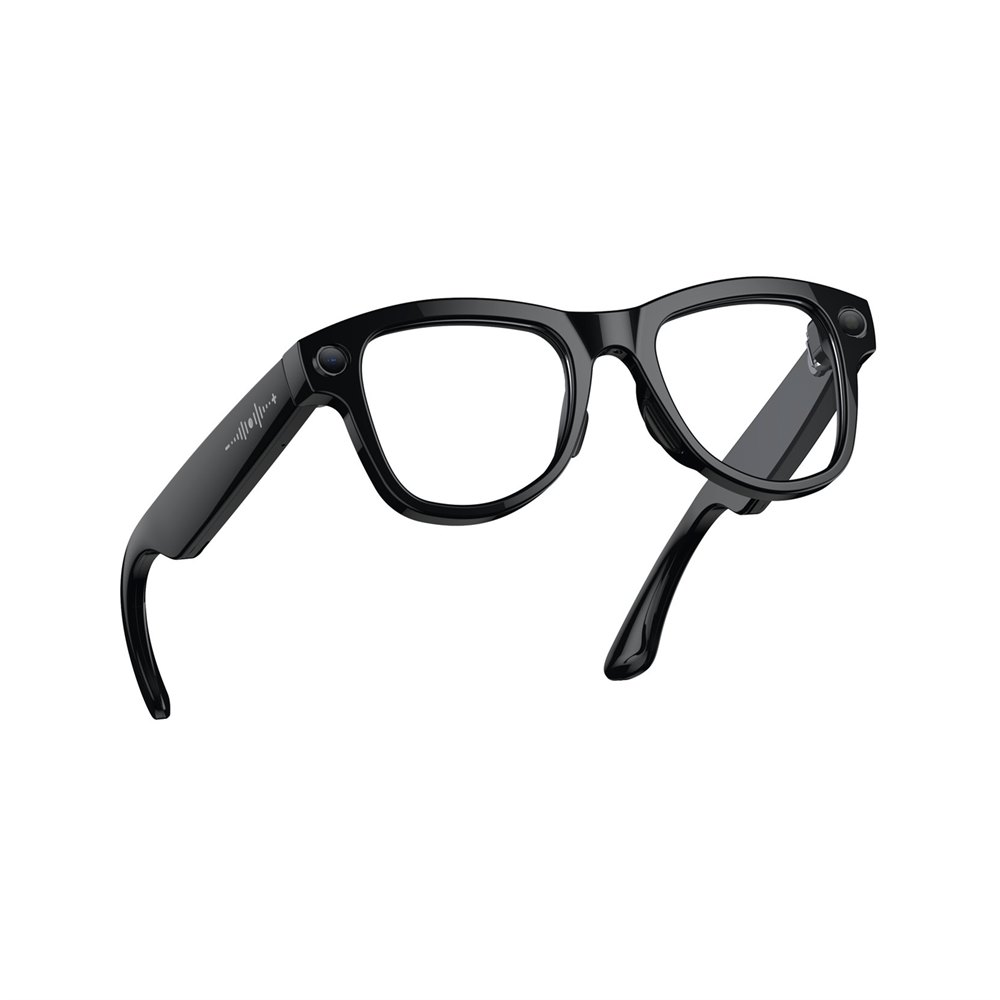
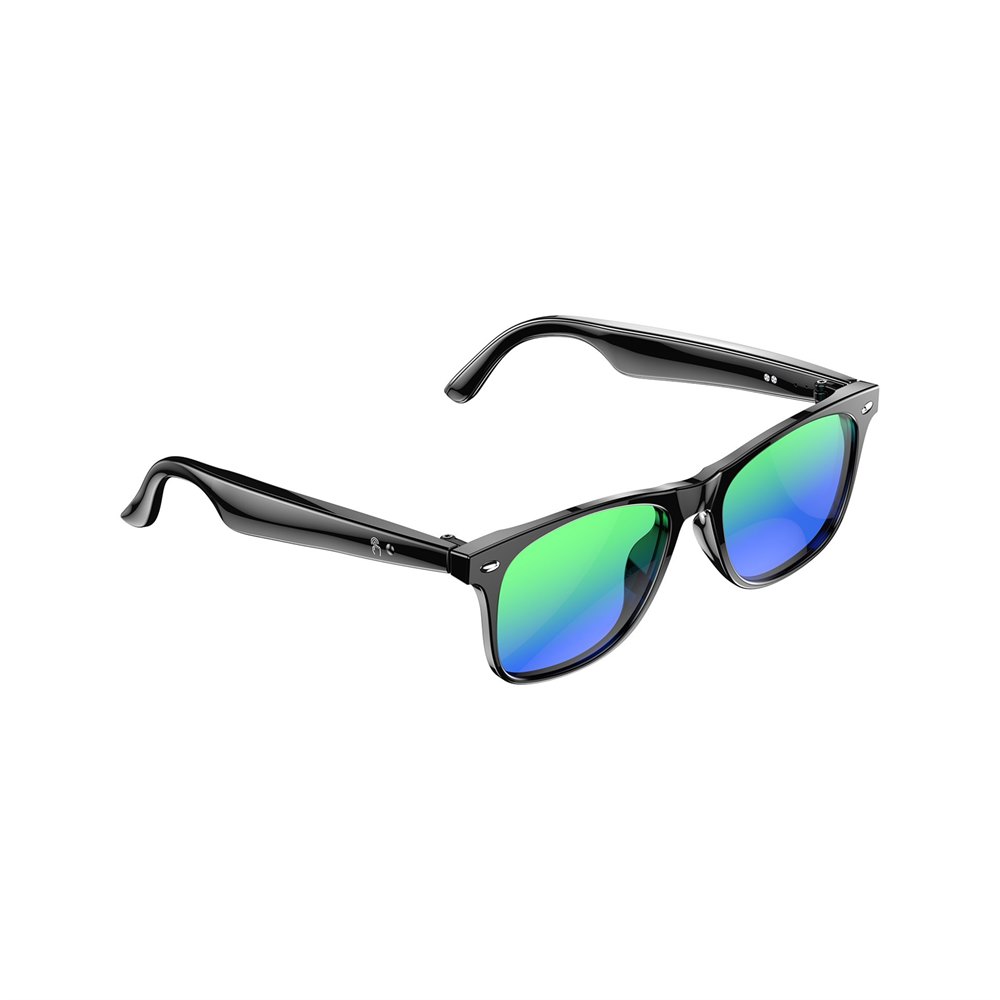
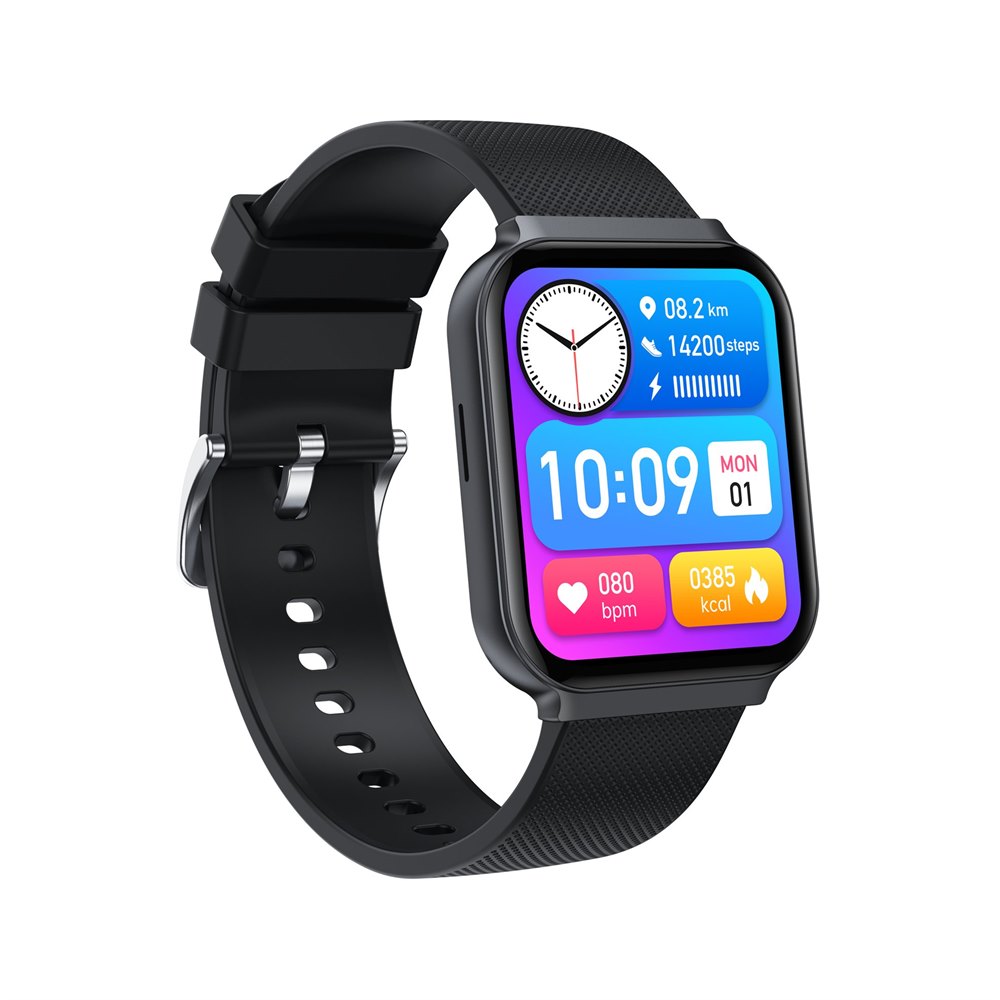
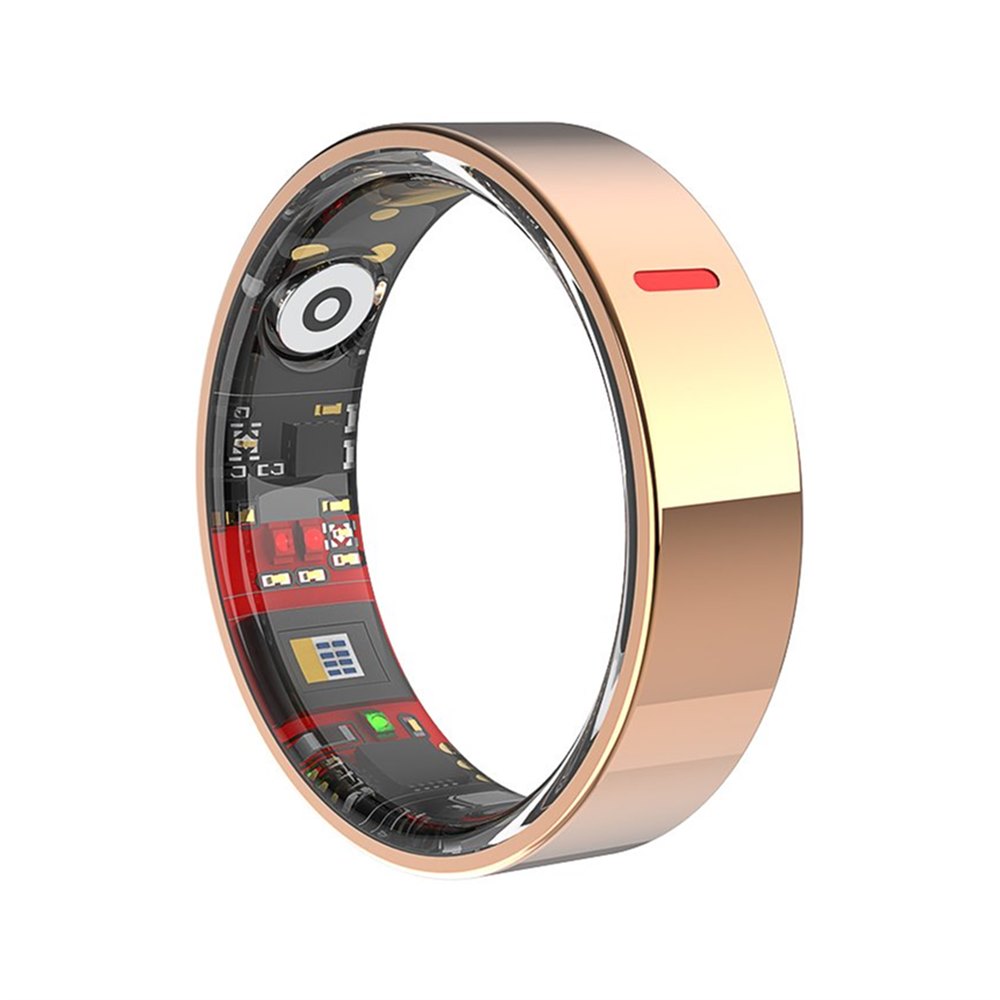
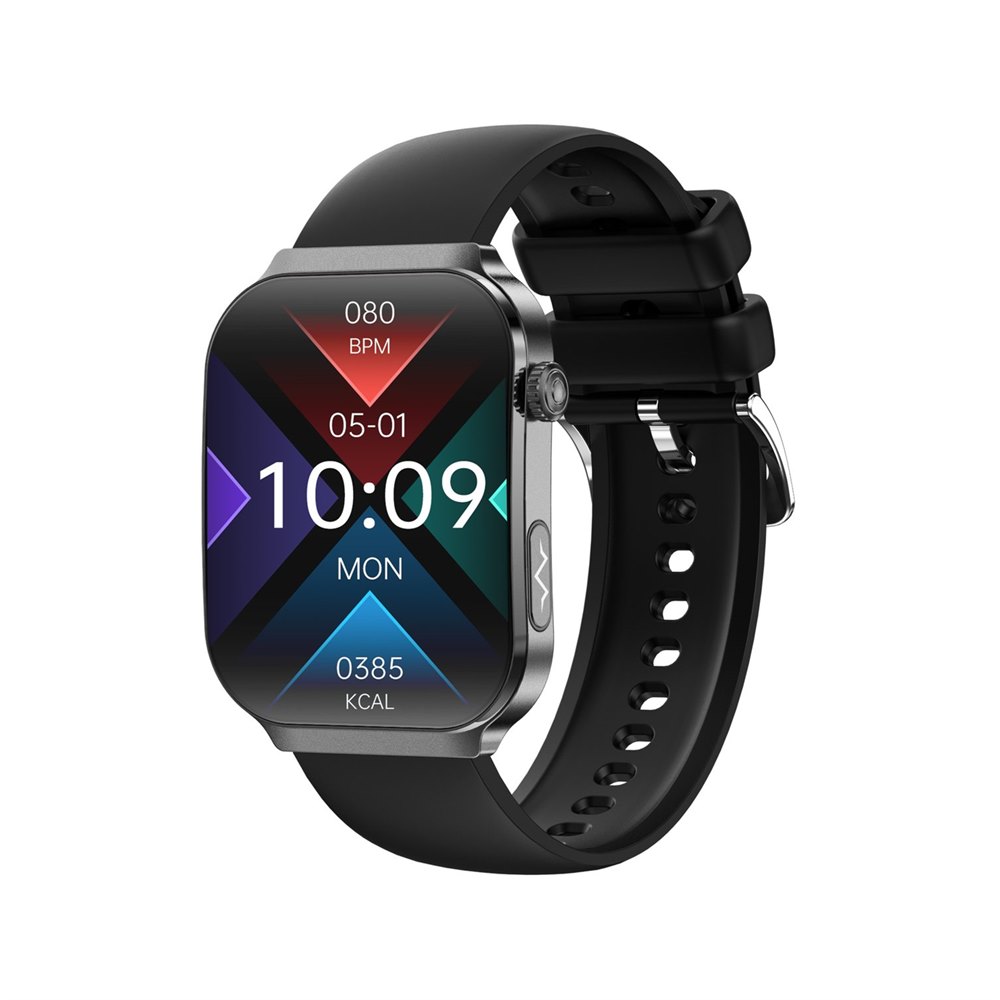
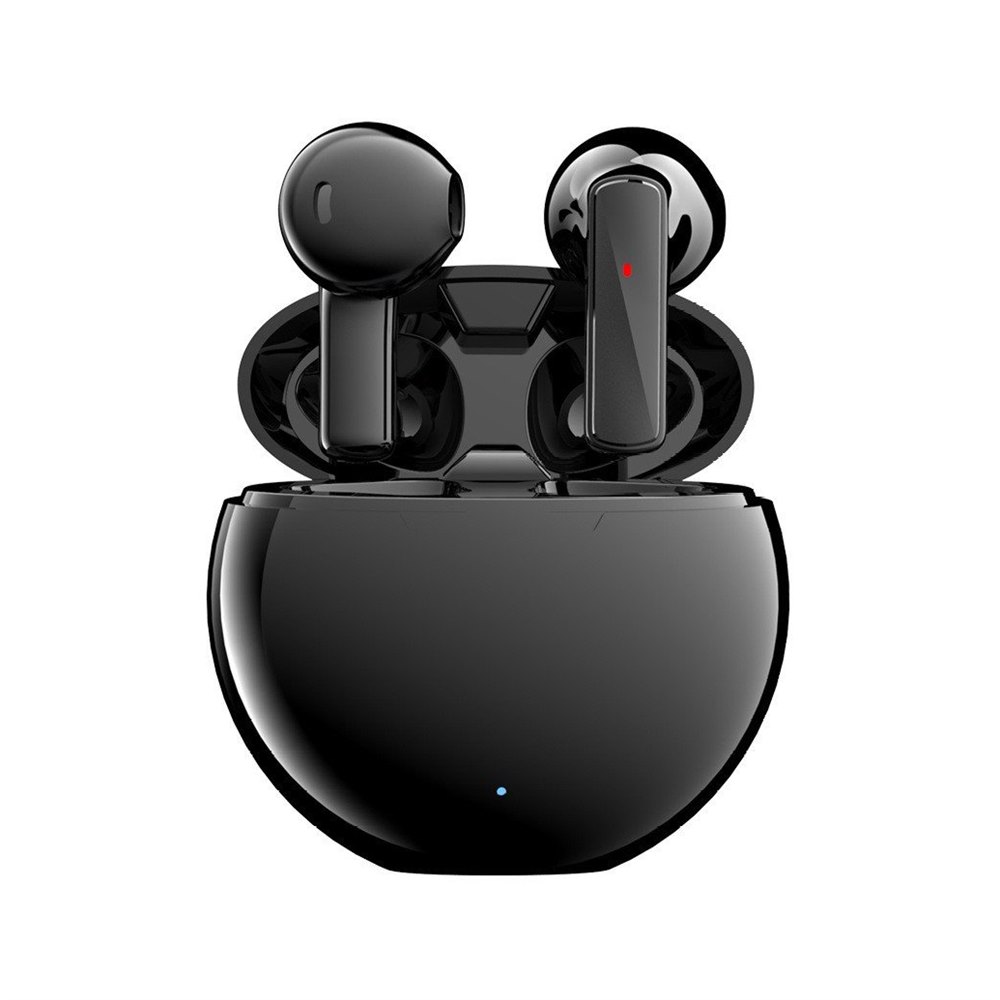
As global hardware distributors, direct-to-consumer (D2C) brands, and telecom operators evaluate product roadmaps for the upcoming buying cycles, the single most recurring query directed to our engineering desks at Shenzhen Sww Industrial Development Co., Ltd centers around a singular challenge: How can brands commercially deploy genuine AI capabilities—such as real-time multimodal inference, generative voice interaction, and computer vision—without degrading daily battery autonomy, violating international privacy frameworks, or facing catastrophic returns driven by latency bottlenecks?
To answer this question, enterprise procurement teams must dissect the anatomy of modern wearable architecture. Historically, consumer electronics relied upon standalone embedded controllers (MCUs) running deterministic C-code algorithms. Today, the convergence of low-power system-on-chips (SoCs) equipped with specialized Neural Processing Units (NPUs), high-efficiency Bluetooth Low Energy (BLE 5.3/5.4) audio links, and optimized cloud Large Language Model (LLM) APIs has unlocked entirely new product categories. However, navigating this transition requires technical depth, verifiable factory-level production discipline, and an acute understanding of edge versus cloud computational partitioning.
The Core Dilemma: On-Device Edge AI vs. Cloud LLM Offloading
A frequent misconception among international buyers is that true AI hardware must execute deep multimodal models entirely within the silicon boundaries of the wearable frame or watch case. In reality, physical thermal limits (Joule heating) and strict battery weight ceilings make on-device 7-billion-parameter neural network execution impossible on sub-50 mAh wearable lithium cells.
At Shenzhen Sww Industrial Development Co., Ltd, our proprietary architecture solves this through an intelligent split-pipeline methodology. Real-time acoustic wake-word gating, sensor artifact rejection, and directional beamforming occur locally on ultra-low-power embedded Digital Signal Processors (DSPs) consuming less than 8 mW. Complex natural language parsing, contextual computer vision analysis, and generative translation are immediately marshaled over low-latency RF bridges to secure companion mobile applications and dedicated cloud AI endpoints. This ensures our brand clients deliver sub-600 millisecond response latencies while maintaining multiple days of usable battery life.