Export-Ready Smart Wearable Solutions
Precision-manufactured smart rings, intelligent audio eyewear, and biometric sensors optimized for the active, outdoor-centric lifestyle of New Zealand end-users.
Localized Application Scenarios in New Zealand
Designing wearable electronics for Aotearoa requires accounting for extreme UV indices, rugged microclimates, dynamic aquatic recreation, and decentralised primary health initiatives.
Extreme UV & Polarised Optics
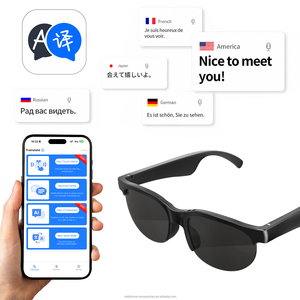
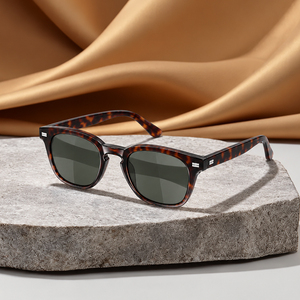
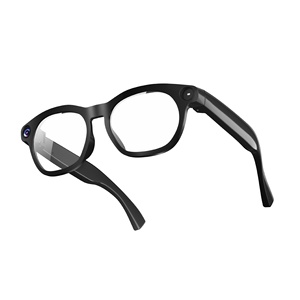
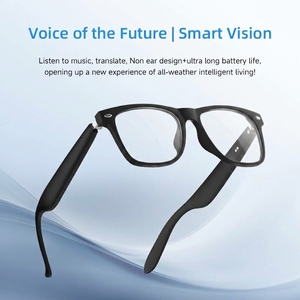
Due to clean ozone layers and high peak sunlight levels in Northland, Otago, and Canterbury, our open-ear audio sunglasses feature certified UV400, TAC polarised scratch-resistant lenses to safeguard against alpine snow-blindness and maritime glare while preserving crisp situational audio.
Marine & Aquatic Immersion
Whether navigating the Hauraki Gulf or surfing off Raglan, devices encounter abrasive saltwater and variable depths. Our smart rings and audio wearables utilize sealed resin bonding, anti-corrosive medical-grade titanium, and 5ATM/IP68 submersible engineering for true aquatic survival.
Rural Telehealth & Isolated Care
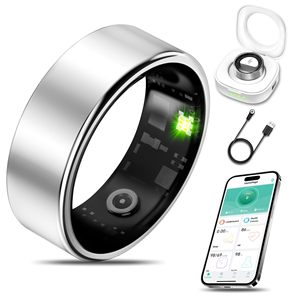
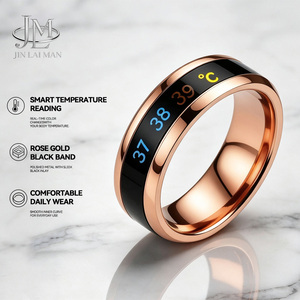
Rural health delivery across regional Waikato, West Coast, and North Island communities demands continuous vitals monitoring. Our low-power smart rings track 24/7 continuous SpO2, sleep stages, skin temperature variance, and heart rhythm fluctuations with seamless cloud SDK telemetry sync.
Lone Worker & AgriTech Safety
New Zealand’s pastoral farming, horticulture, and forestry sectors operate in expansive, high-risk topographies. Wearable biometric arrays integrated with accelerometer fall detection, emergency SOS triggering, and low-energy BLE backhauls ensure dependable real-time field-worker safety monitoring.
Aesthetic Minimalist Wearables
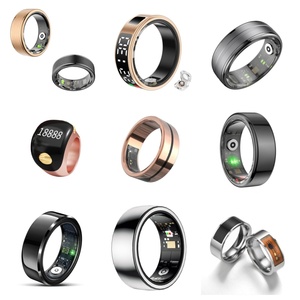
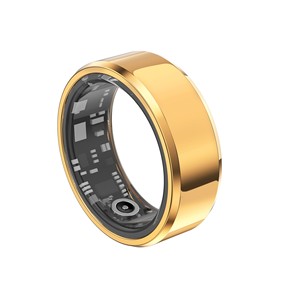
Kiwi consumers consistently favor unobtrusive, minimalist personal electronics over bulky smartwatches. Our slim, featherweight titanium alloy smart rings (weighing merely 4.8 grams) satisfy the growing demand for screenless lifestyle tracking with up to 6 days of autonomous battery life.
Emerging Trends in the New Zealand Wearable Sector
Key economic and behavioral indicators reshaping hardware procurement for enterprise buyers and major retail channels across Auckland, Wellington, and Christchurch.
The consumer electronics ecosystem in New Zealand has transitioned decisively from generic pedometer accessories to precision medical-adjacent lifestyle trackers and spatial audio eyewear. Retailers like Noel Leeming, PB Tech, and Harvey Norman NZ, alongside boutique outdoor apparel chains, increasingly require hardware platforms that combine robust aesthetic industrial design with verified biological accuracy.
The Paradigm Shift Toward Invisible Biometrics
Screen-fatigued consumers are transitioning toward form factors that disappear into daily routines. Smart rings offering medical-grade PPG optical sensors for continuous peripheral capillary oxygen saturation (SpO2), heart rate variability (HRV), and nocturnal skin temperature monitoring represent the fastest-growing category across Australasia.
Architectural Trends Governing Hardware Selection
- Open-Ear Micro-Acoustics: Kiwi runners, cyclocross riders, and commuters strongly prioritize situational acoustic awareness. Bone conduction and directional air-conduction open-ear frames provide uninterrupted audio streaming without blocking traffic or environmental sounds.
- Private-Label Localized Firmware: Importers require customized white-label iOS and Android applications hosted on secure AWS Sydney regions to ensure micro-latency synchronization and compliance with regional data sovereignty frameworks.
- Eco-Centric Packaging & Sustainability: Driven by consumer expectations and national waste minimization targets, NZ brand owners require zero-plastic, biodegradable FSC kraft packaging and high-density circular lithium cobalt batteries certified for extended duty cycles.
New Zealand Regulatory Standards & Technical Specifications
Full cross-border validation covering Radio Spectrum Management (RSM), Electrical Safety, and Data Privacy requirements.
| Compliance Mandate | New Zealand / Australasian Standard | Shenzhen Sww Engineering Validation | Importer Protection Benefit |
|---|---|---|---|
| Radio Frequency Emission | RSM Radiocommunications Act 1989 / AS/NZS CISPR 32 | Certified 2.4 GHz BLE 5.3/5.4 RF stage testing; harmonic spurious suppression below -54 dBm | Legal market placement without RF interference penalties or customs interdiction |
| Lithium Battery Safety | AS/NZS 62368.1 / UN38.3 Shipping Mandate | Integrated micro-BMS with overcharge, overdischarge, short-circuit, and thermal runaway failsafes | Seamless air freight entry via Air New Zealand Cargo and domestic road logistics validation |
| Hazardous Substances | NZ Environmental Protection Authority (EPA) Hazardous Substances | Full RoHS 2.0 / REACH non-toxic hypoallergenic skin-contact validation (PVD titanium / biocompatible resin) | Elimination of dermatitis liability; zero lead, mercury, or cadmium content |
| Data Sovereignty | New Zealand Privacy Act 2020 Information Privacy Principles (IPPs) | End-to-end AES-128 BLE transmission encryption; white-label app architecture with zero third-party telemetry bleed | Secure compliance with local data protection, avoiding customer privacy disputes |
Enterprise Strengths: Shenzhen Sww Industrial Development Co., Ltd
Combining vertically integrated Shenzhen hardware engineering with Western export accountability since June 2019.
Precision In-House Assembly
Our dedicated 1,000 m² cleanroom assembly line in Pingshan District, Shenzhen, maintains strict static-dissipative micro-soldering, automated optical inspection (AOI), and ultrasonic acoustic sealing for consistent batch yields.
Full-Spectrum Testing Labs
Every wearable SKU undergoes salt-spray corrosion exposure, 1.5-meter drop simulation, multi-axis button tactile fatigue, -20°C to +60°C thermal cycling, and hydrostatic pressure testing to certify sub-surface marine integrity.
Embedded Firmware & App SDK
We do not broker generic turnkey code. Our software division builds clean, renamable BLE firmware, bespoke boot animations, localized metric calculations, and comprehensive white-label native apps published directly under your store accounts.
Frequently Asked Questions for New Zealand Importers
Critical operational answers covering logistics, tariffs, MOQs, and compliance validation for B2B procurement teams.
What are the import duties and GST rules for wearables entering New Zealand?
Smart electronic wearables (such as smart rings and smart eyewear) classified under HS Code 8517.62 typically enter New Zealand at a 0% tariff rate under normal preferential trade frameworks. Importers must account for the standard 15% Goods and Services Tax (GST) collected by New Zealand Customs Service, along with standard import entry transaction fees.
How do we verify R-NZ / RCM radio compliance?
Our engineering team provides comprehensive test documentation from accredited ILAC/CNAS test facilities showing conformity with AS/NZS CISPR 32 standards. This test report package allows New Zealand buyers to establish a local Compliance Folder, maintain documentation as Responsible Suppliers, and affix the R-NZ / RCM mark with complete legal coverage.
What is the standard Minimum Order Quantity (MOQ) for custom branding?
For existing platforms requiring laser engraving, custom Pantone frame finishes, and localized packaging, our MOQ starts at 500 units. For full ODM builds involving custom tooling injection moulds, custom optical housings, or specialized firmware stacks, MOQ ranges between 1,000 and 3,000 units depending on mechanical complexity.
What are the expected logistics transit timelines to Auckland or Tauranga?
Air express shipments (via DHL/FedEx direct from Shenzhen to Auckland Airport) arrive in 4 to 7 business days. FCL/LCL ocean freight from Shenzhen or Hong Kong Port to Ports of Auckland or Port of Tauranga typically takes 16 to 22 transit days, offering cost-effective freight margins for commercial container orders.
Can you provide customized sizing kits for smart rings?
Yes. Proper sizing is the single most critical factor in reducing smart ring return rates. We manufacture white-label plastic ring sizing kits (sizes 6 to 13) complete with your brand graphics, barcode metadata, and consumer instruction cards for distribution before smart ring dispatch.
Are health metrics certified for diagnostic medical claims in New Zealand?
All biometric devices provided are consumer wellness and lifestyle telemetry instruments. They track fitness indices, sleep recovery trends, and wellness fluctuations. They are not intended as Class IIa/IIb medical devices under Medsafe NZ regulations and should not be marketed for disease diagnosis, treatment, or clinical intervention.
Ready to Engineer Your Wearable Product Line for Australasia?
Consult directly with our Shenzhen manufacturing engineers. We will analyze your specifications, prepare custom branding samples, and establish an export pipeline tailored to the New Zealand retail and enterprise landscape.
Contact Us