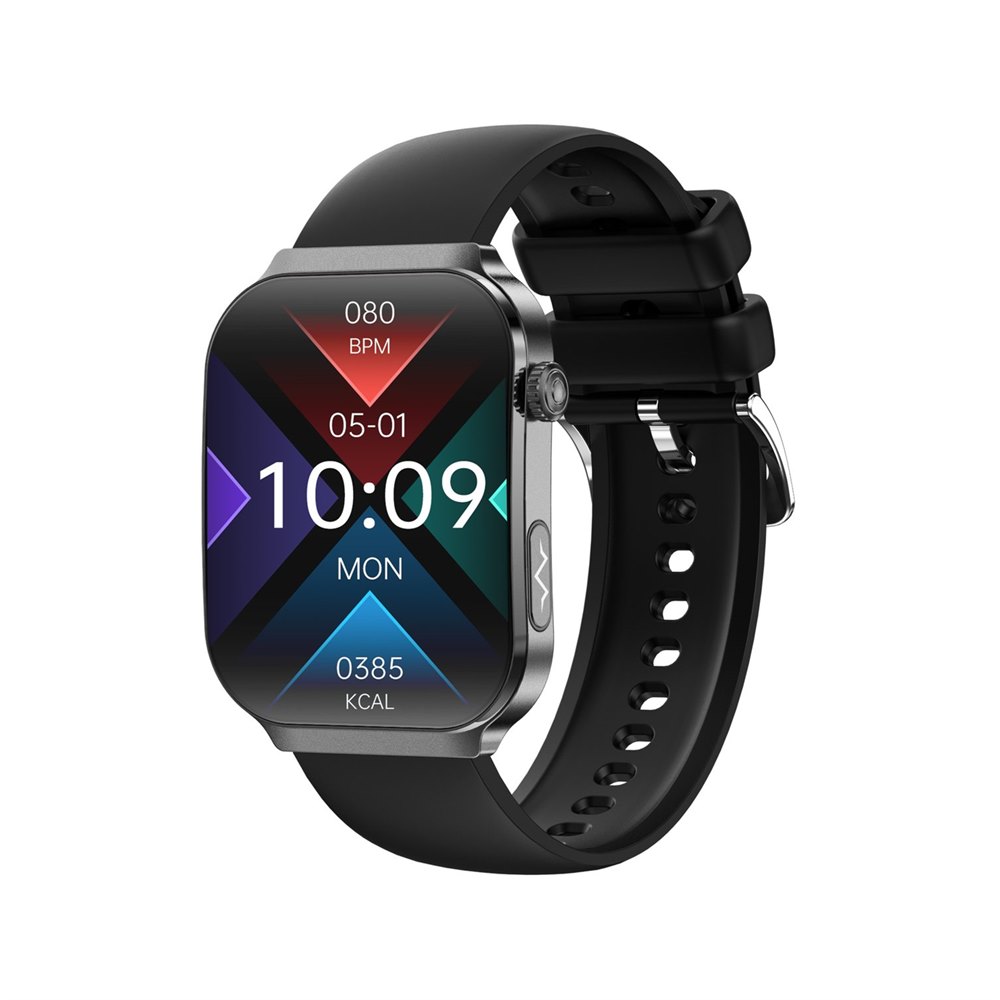
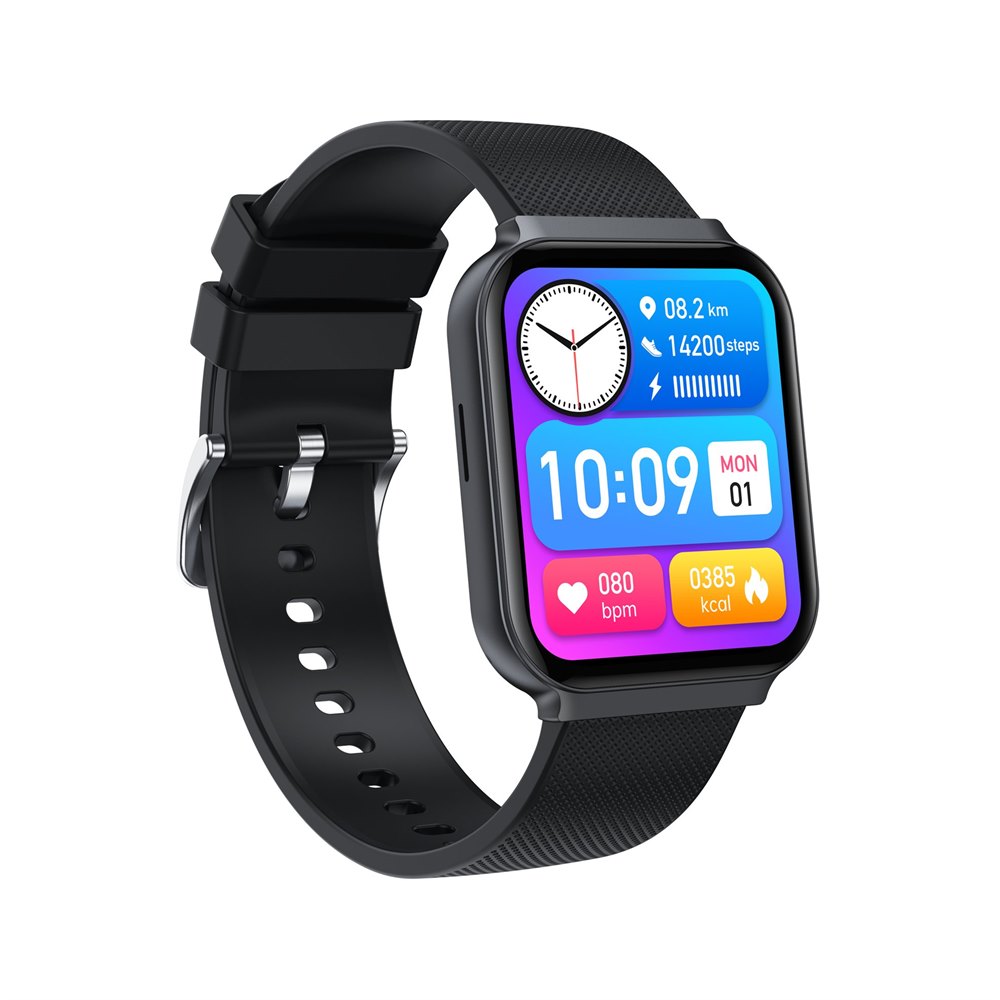
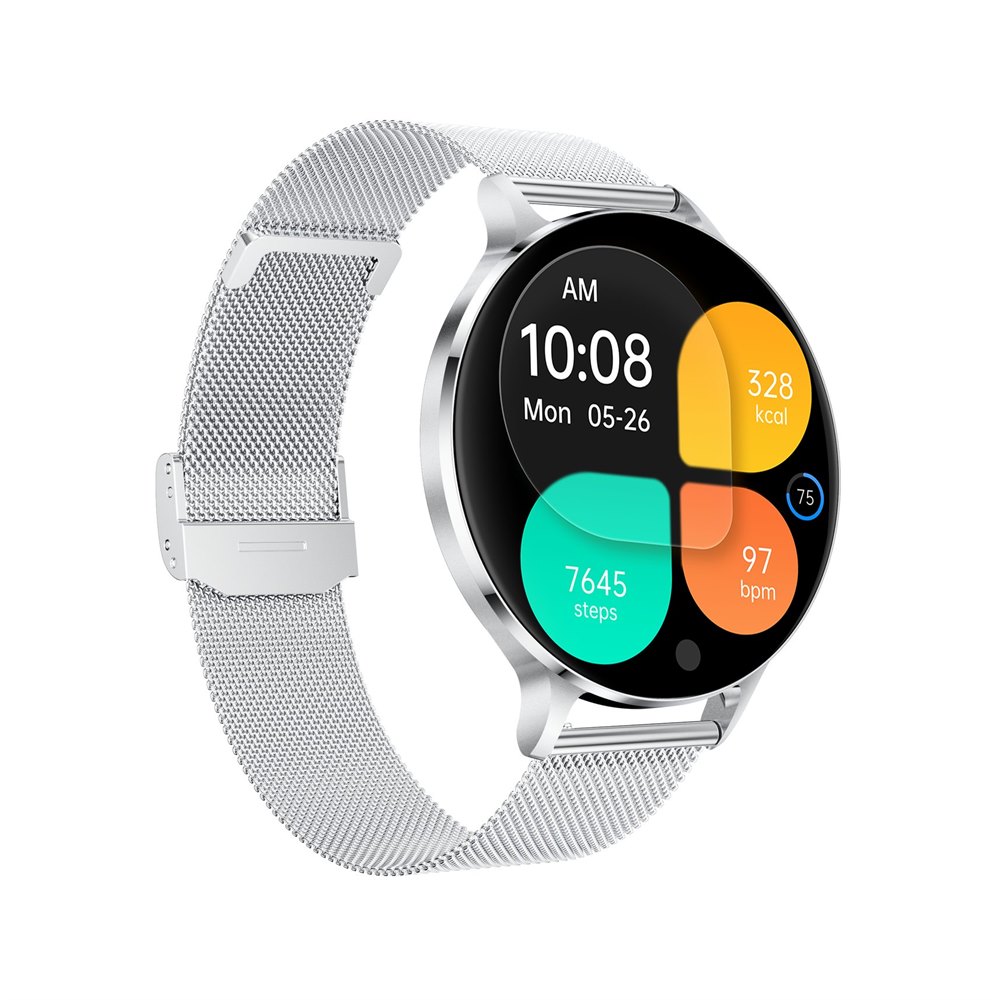
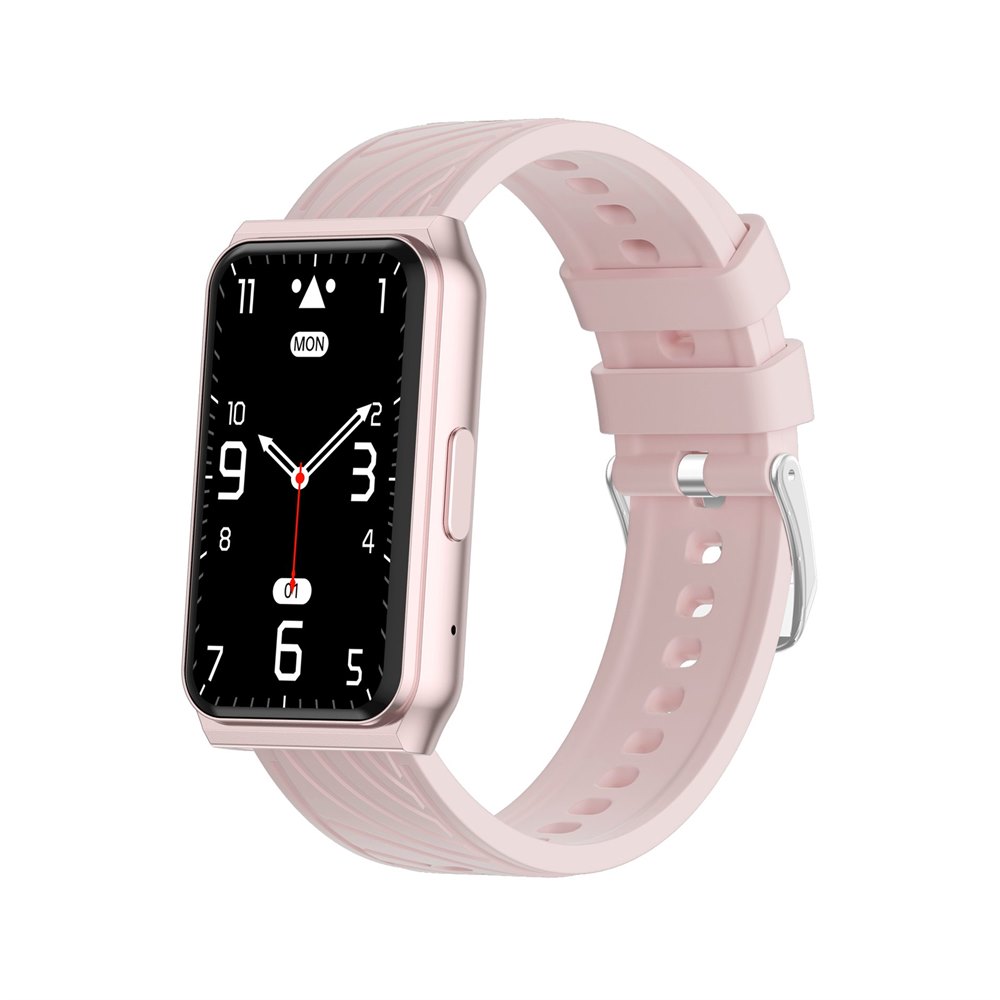
Engineering Insights What Defines a Commercial-Grade Composition Smart Watch?
Consumer demand has evolved past rudimentary photoplethysmography (PPG) step counters and continuous heart rate logs. Modern health-conscious users, telehealth platforms, and fitness brand communities seek granular physiological visibility: body composition analysis directly from the wrist. A true composition smart watch measures the proportions of body fat, skeletal muscle mass, total body water (TBW), basal metabolic rate (BMR), bone mineral density estimation, and visceral fat grade.
Executing this accurately within a compact wearable chassis demands sophisticated Bioelectrical Impedance Analysis (BIA). The watch injects an imperceptible micro-current (typically under 500 μA across alternating frequencies from 20 kHz to 100 kHz) through the user's upper torso using alternating contact electrodes on the rear case and perimeter push buttons.
- Tetrapolar Electrode Architecture: Eliminates contact resistance variation at the skin-electrode interface, providing higher signal-to-noise ratio (SNR) compared to outdated bipolar designs.
- Multi-Frequency Impedance Spectroscopy: Distinguishes between intracellular water (ICW) and extracellular water (ECW) for verified lean muscle vs. fat-free mass differentiation.
- Integrated Analog Front End (AFE): Combines low-noise amplifiers and 24-bit ADCs that synchronize BIA telemetry with real-time PPG pulse and ECG wave sampling.
At Shenzhen Sww Industrial Development Co., Ltd, our R&D team balances hardware sensitivity, hypoallergenic biocompatibility (using 316L medical stainless steel or titanium nitride coatings), and edge-processing power efficiency, ensuring consumer-grade affordability without sacrificing repeat measurement fidelity.