Engineering High-Yield AMOLED Wearables for Tier-1 Global Markets
Active-Matrix Organic Light-Emitting Diode (AMOLED) architectures have transitioned from premium consumer flagship novelties to the baseline engineering benchmark for international retail, healthcare mobility, and wearable IoT. Navigating China’s manufacturing ecosystem requires enterprise buyers to balance display binning (LTPS vs. LTPO), optical bonding tolerances, low-power coprocessor architectures, and international regulatory testing (CE, FCC, RoHS, TELEC) under rigorous batch-to-batch repeatability protocols.
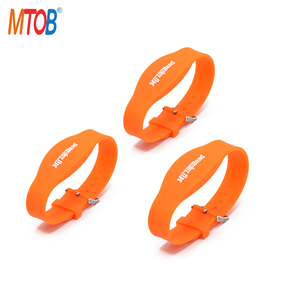
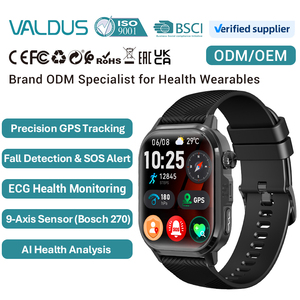
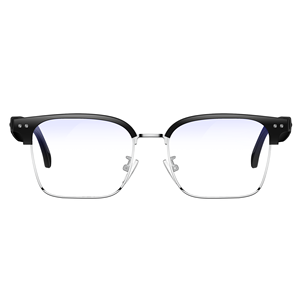
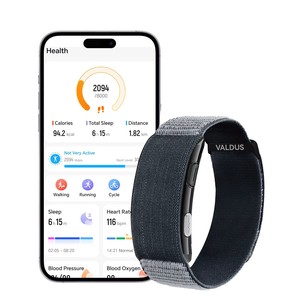
Top-Tier Wearable Hardware Ready for OEM/ODM Deployment
Every featured platform represents verified SMT assembly, stable display drivers, and certified firmware kernels ready for white-label, private-label branding, or custom structural tooling.
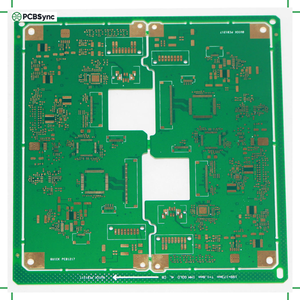
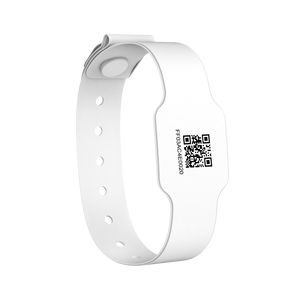
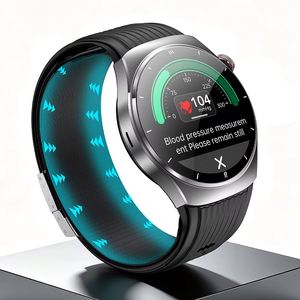
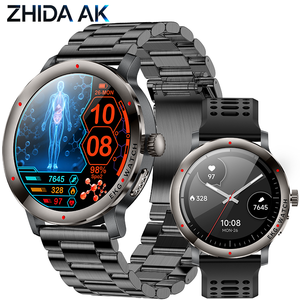
Technical Anatomy of Next-Gen AMOLED Smartwatches
Understanding display stackup, subpixel rendering, optical lamination, and driver IC integration is vital to safeguarding consumer brand equity and avoiding RMA field failures.
LTPO vs. LTPS TFT Backplanes
Low-Temperature Polycrystalline Oxide (LTPO) backplanes allow dynamic refresh frequency stepping from 60 Hz down to 1 Hz during Always-On Display (AOD) states. This reduces baseline display power dissipation by up to 38% compared to standard LTPS panels, extending battery life significantly while maintaining vivid peak brightness over 1,000 nits.
- True 1 Hz idle refresh rate for ultra-low AOD drain
- On-Cell touch integration for reduced stack thickness
- Extended subpixel lifespan via dynamic burn-in shift algorithms
Driver IC & Dual-Core PMIC Architecture
Modern AMOLED smart watch architectures combine high-performance graphical processing (e.g., ARM Cortex-M33 / M55 with 2.5D GPU acceleration) with dedicated ultra-low-power microcontrollers (Sensor Hub). This dual-core layout isolates screen buffer rendering from continuous PPG, ECG, and accelerometer polling routines.
- Hardware-accelerated 60 FPS graphical UI transitions
- SPI/QSPI and MIPI-DSI high-bandwidth display buses
- Dynamic voltage frequency scaling (DVFS) under heavy compute
Full Optical Lamination & CMF Enclosures
True black levels require Optically Clear Adhesive (OCA) or liquid OCR bonding between the 3D curved protective glass, the capacitive touch digitizer, and the emitting organic substrate. Eliminating internal air gaps suppresses internal refraction, guaranteeing sunlight readability while reinforcing IP68 and 5ATM hydrodynamic seals.
- Zero air-gap refractive index matched OCA bonding
- Vacuum plasma surface activation for bezel hermeticity
- Hydrophobic oleophobic AF coatings (contact angle > 115°)
| Evaluation Parameter | Standard Entry TFT LCD | Commercial Grade AMOLED (LTPS) | Flagship Tier AMOLED (LTPO) |
|---|---|---|---|
| Static Contrast Ratio | 1,000 : 1 (Grey Backlight Leak) | 100,000 : 1 (Infinite Blacks) | > 1,000,000 : 1 True Black |
| AOD (Always-On) Power Draw | High (~25–35 mA continuously) | Moderate (~8–12 mA at 30Hz) | Ultra-Low (~2.8–4.2 mA at 1Hz) |
| Outdoor Nit Luminance | 350 – 500 Nits | 600 – 800 Nits | 1,000 – 1,500 Nits Peak |
| Color Gamut Coverage | 65% – 72% NTSC | 98% DCI-P3 Color Space | > 100% DCI-P3 Wide Gamut |
| Module Thickness Profile | 1.8 mm – 2.4 mm (Bulky) | 1.1 mm – 1.3 mm (Slim) | < 0.85 mm Ultra-Compact |
Procurement Trends Shaping the Global AMOLED Wearables Sector
As consumer expectations converge around longevity, AI intelligence, and multi-sensor medical biometrics, brand procurement teams must anticipate these evolving technical shifts.
1. Edge-AI Neural Coprocessors
By late 2026, premium smart watches are shifting from passive notification hubs to localized inference nodes. TinyML neural processing units (NPUs) process ECG arrhythmia classification, voice biometrics, and sleep apnea anomaly detection on-wrist, transmitting only encrypted insights to smartphones rather than raw, privacy-vulnerable telemetry.
2. Micro-Airbag Oscillometric Sphygmomanometry
Optical photoplethysmography (PPG) blood pressure estimation is being superseded in clinical-adjacent retail by true physical micro-cuff inflation mechanisms. Devices like the ERON TK68 integrate miniaturized micro-pumps and piezoresistive pressure sensors that physically compress the radial artery, yielding verified diastolic and systolic measurements.
3. Dual-Frequency L1+L5 GNSS Geolocation
Outdoor sports and field enterprise deployments demand sub-meter positioning accuracy. Wearable RF designs now integrate ceramic patch dual-frequency GPS/GLONASS/Galileo antennas engineered to mitigate multipath urban-canyon interference while isolated from AMOLED high-frequency driver noise.
4. Sustainable Circular CMF (Colors, Materials, Finishes)
European and North American regulatory pressures (such as EU Eco-design directives) require suppliers to provide recyclable aerospace-grade aluminum, bio-based TPU straps, and screw-less modular repairability. Factory audits increasingly evaluate eco-compliant supply streams alongside surface anodization quality.
5. White-Label Ecosystem Convergence
Hardware parity has elevated companion app security to a primary conversion factor. Enterprise buyers no longer accept generic third-party cloud apps. Turnkey white-label solutions featuring localized GDPR/HIPAA-compliant servers, personalized UX branding, and open BLE SDKs are now non-negotiable procurement prerequisites.
6. Non-Invasive Metabolic Biomarker Integration
Multi-spectral optical arrays combining green, red, infrared, and yellow LEDs allow continuous skin temperature tracking, micro-vascular resistance modeling, and non-invasive blood glucose trend analysis, creating high-margin subscription opportunities for wellness platforms.
Why Smart Wear Works is the Trusted OEM/ODM Partner
Shenzhen Sww Industrial Development Co., Ltd (Smart Wear Works) bridges the gap between high-concept product engineering and reliable mass manufacturing. We provide full-lifecycle accountability from Pingshan District, Shenzhen.
Verified Compliance Infrastructure
Our complete manufacturing output complies with CE, FCC, RoHS, and Japanese TELEC radio certifications. We supply direct laboratory test documentation, EMC/EMI shielding verifications, and SAR reports for fast customs clearance in North America, the EU, and Japan.
Dedicated Pingshan Assembly Lines
Operating our own dedicated facility of approximately 1,000 square meters with over 50 skilled assembly specialists, we maintain a monthly output exceeding 30,000 units. We maintain direct oversight over surface-mount technology (SMT), cleanroom optical bonding, and waterproof testing.
End-to-End Firmware & App Development
Hardware without optimized software fails in the field. Our in-house software engineering department develops custom RTOS firmware, proprietary optical filtering algorithms, custom bootloader graphics, and white-label iOS/Android apps tailored to client branding.
Comprehensive Reliability QC Protocols
Every production batch undergoes strict quality gates: 100% pneumatic IP68 air-pressure leak tests, 5ATM hydraulic pressure tanks, high/low thermal shock (-20°C to 60°C), micro-drop tumbling, button actuation cycling (100,000+ presses), and 72-hour screen burn-in aging.
Four-Year Client Retention Model
We build lasting partnerships rather than transactional single-order runs. Our primary international brand clients have partnered with our Shenzhen engineering lines for over 4 continuous years, leveraging iterative tooling improvements and stable component costs.
Agile Customization & Low-Risk Scalability
From rapid wholesale distribution orders of standard catalog items to multi-cavity private tooling with laser-engraved bezels, custom strap alloys, custom gift boxes, and regional localization, we adapt MOQ tiers to align with your market validation milestones.
The 6-Stage B2B Sourcing & Engineering Lifecycle
From technical product brief to mass production container release, our structured workflow eliminates costly re-tooling delays and enforces complete schedule predictability.
Stage 01: Engineering Feasibility & Spec Lock
Definition of display size, AMOLED resolution, battery capacity, sensor layout (PPG/ECG/GNSS), targeted ingress rating, target unit cost, and destination market regulatory compliance.
Stage 02: Industrial Design & CMF Formulation
Generation of 3D CAD modeling, ray-traced color/material/finish renderings, weight distribution modeling, strap ergonomic calculations, and mold flow analysis for structural plastic/metal housings.
Stage 03: Engineering Validation (EVT / DVT)
Hand-built prototypes, CNC metal enclosures, and functional PCBA bring-up. Hardware testing assesses RF performance, optical display clarity, sensor noise floors, and power consumption profiles.
Stage 04: Tooling & Production Validation (PVT)
Steel injection tooling cut, pilot production run of 100–500 units through live assembly jigs. Validation of automated optical inspection, ultrasonic plastic welding, and firmware burn routines.
Stage 05: Mass Assembly & In-Line QA
Cleanroom class-10,000 optical screen lamination, automated adhesive dispensing, pneumatic leak testing, RF calibration, 48-hour continuous battery charge-discharge aging, and final packaging.
Stage 06: Regulatory Dossier & Export Release
Compilation of CE, FCC, RoHS, TELEC test reports, UN38.3 battery flight safety certification, MSDS datasheets, and managed customs palletization for air or ocean freight delivery.
Frequently Asked Questions for AMOLED Smart Watch Sourcing
Critical technical, regulatory, and commercial insights to support supplier evaluation, audit preparation, and contract negotiations.
Are you a direct manufacturing facility or a trading broker?
Smart Wear Works operates under Shenzhen Sww Industrial Development Co., Ltd, founded in June 2019 in Shenzhen, China. We operate our own specialized 1,000 square meter assembly plant in Pingshan District with roughly 50 dedicated personnel and an output capacity of ~30,000 units/month. International buyers engage directly with our on-site engineering and production management teams, eliminating third-party broker margins and communication friction.
What panel binning and quality grades are utilized for your AMOLED displays?
We source Tier-1 grade A AMOLED displays from qualified foundries (including BOE, Visionox, and Everdisplay). Each panel is inspected for subpixel defects, zero dead-pixel thresholds, color uniformity, and minimum brightness thresholds (ranging from 500 to 1,000+ nits depending on the model tier). Every panel is laminated using Optically Clear Adhesive (OCA) in an environmentally monitored cleanroom environment.
How do your engineering teams prevent AMOLED screen burn-in during Always-On Display (AOD)?
AMOLED burn-in is caused by static high-luminance driving of identical organic subpixels. Our custom RTOS firmware implements automated subpixel-shifting algorithms. During AOD standby states, clock graphics shift position by 2 to 4 pixels every 60 seconds (imperceptible to human eyes). In addition, overall luminous output is throttled to 10%–15% duty cycle, ensuring panel longevity beyond standard consumer 3-year operating windows.
What minimum order quantities (MOQ) apply to OEM, ODM, and wholesale orders?
Our standard catalog SKUs for wholesale buyers start at lower quantities (often 100 to 500 units) with mixed-color allocations for rapid market testing. Private-label OEM orders featuring custom laser-engraved case-back logos, custom startup boot screens, custom wristbands, and branded packaging typically require an MOQ of 1,000 units. Full ODM developments requiring unique structural tooling and ground-up PCBA design start at 3,000 to 5,000 units to amortize non-recurring engineering (NRE) tooling investments.
Can you supply a dedicated white-label mobile companion app (iOS and Android)?
Yes. Selected product lines (including our smart rings and flagship AMOLED smart watches) feature ready-to-deploy white-label app platforms. We recompile our hardened BLE sync codebases with your company's corporate identity, color scheme, App Store developer account credentials, and localized regional privacy documentation. We also provide BLE communications protocol documentation and API/SDK hooks for clients managing their own healthcare or corporate software ecosystems.
Are heart rate, blood pressure, ECG, and SpO2 sensor metrics rated as medical grade?
Unless explicitly certified under medical device directives (such as MDR or FDA 510(k)), all wearable smart watches, bracelets, and rings manufactured across the industry are classified as general lifestyle, fitness, and wellness products. Sensor outputs (optical PPG heart rate, oscillometric trends, pulse oximetry SpO2, and single-lead ECG recordings) serve consumer wellness and sports analytics purposes. Marketing copy, software packaging, and companion apps should reflect this consumer lifestyle framework.
What quality assurance procedures ensure waterproof reliability (IP68 & 5ATM)?
We deploy a two-tier waterproofing test methodology. First, 100% of finished watch housings undergo multi-channel dry pneumatic air-decay testing to check gasket seals, microphone acoustic membranes, and button stem tolerances down to 0.1 Pa leak rates. Second, random batch samples undergo destructive hydrostatic chamber testing simulating 50-meter submersion (5ATM ISO 22810 standard), followed by teardown inspections to verify zero internal moisture penetration.
How do you manage intellectual property (IP) and brand confidentiality for ODM projects?
All OEM and ODM discussions are protected under enforceable Bilateral Non-Disclosure Agreements (NDAs). Custom industrial molds, unique tooling inserts, proprietary PCB Gerber schematics, and custom firmware codebases remain the exclusive intellectual property of the commissioning client. Molds are tagged, cataloged, and operated strictly within our controlled Pingshan facility.
Launch Your AMOLED Smart Watch Program with Shenzhen's Top Factory
Consult directly with our wearable hardware and firmware engineers. We provide comprehensive DFM evaluations, bill of materials (BOM) cost breakdowns, compliance roadmaps, and functional prototype sampling within 7 to 10 business days.