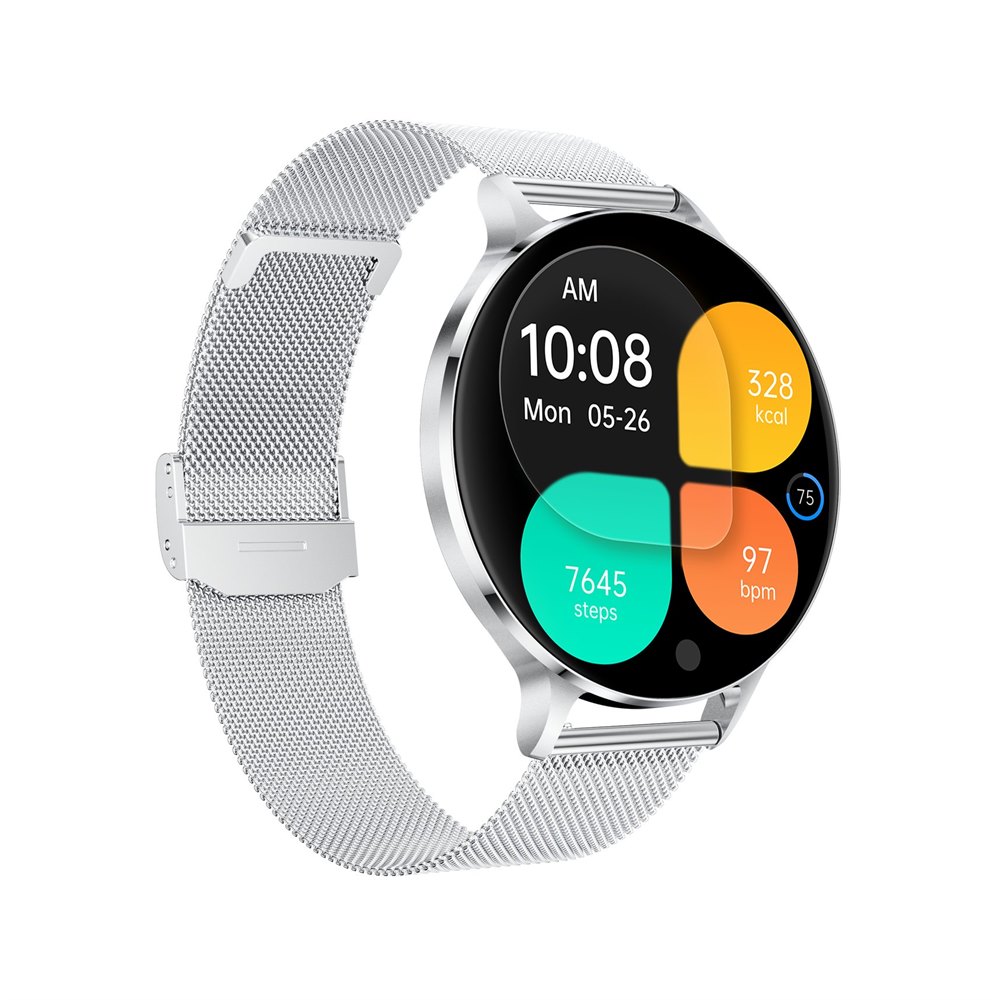
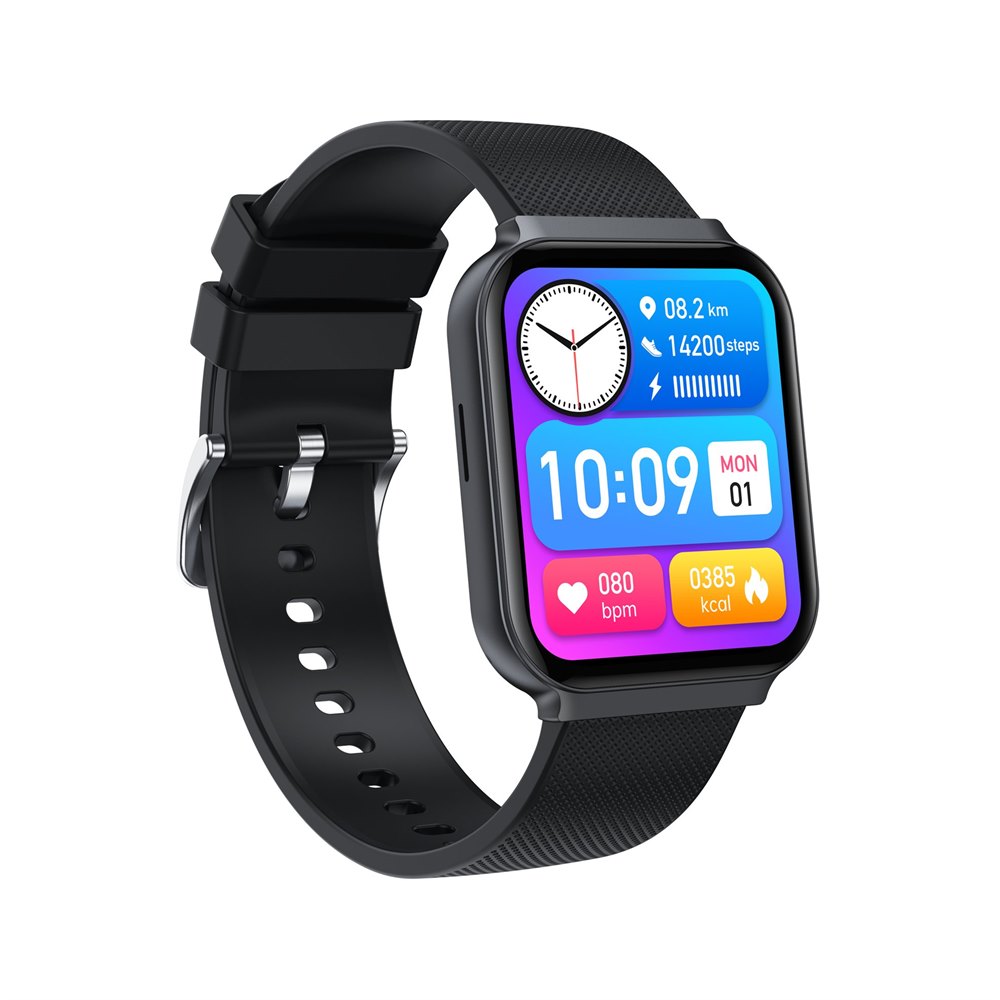
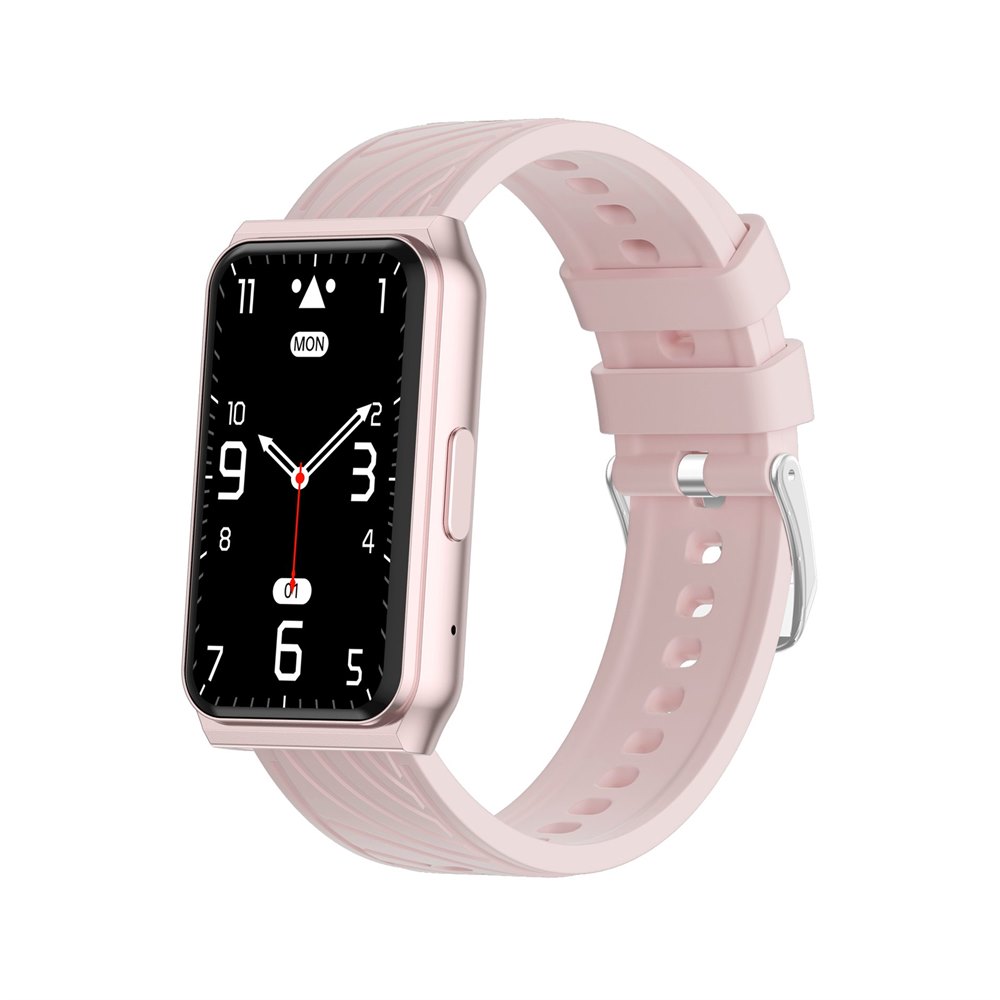
A2 continuous body vital telemetry and ECG smart watch OEM platform
Biometric Body Tracking Platforms

How Do Global Brands Procure Clinical-Grade Wearable Body Biometric Systems?

From multi-wavelength PPG body sensor hubs to subcutaneous temperature tracking and non-invasive body composition analytics — engineered and mass-produced in Shenzhen by Shenzhen Sww Industrial Development Co., Ltd.

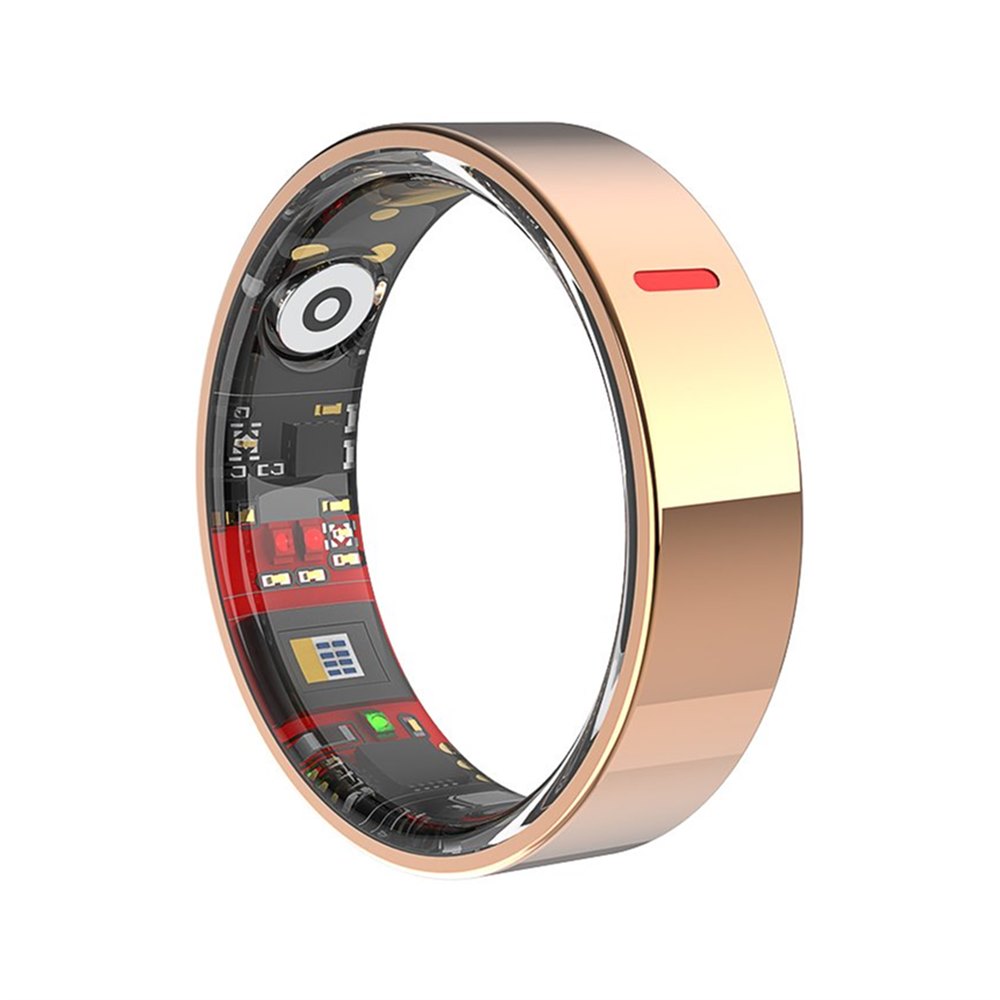
TK20 smart ring body telemetry platform
Smart Ring Body Recovery

Precision Body Signal Telemetry in 5 Grams

24/7 finger-artery micro-perfusion tracking, body temperature drift analysis, and sleep phase biomarker algorithms with turnkey white-label SDKs.

MW09 AI biometric body vitals watch
AI Body Analytics

Predictive AI Body Wellness Architectures

Real-time systemic fatigue estimation, dynamic cardio-vascular workload indices, and custom on-wrist neural inference engine integration.

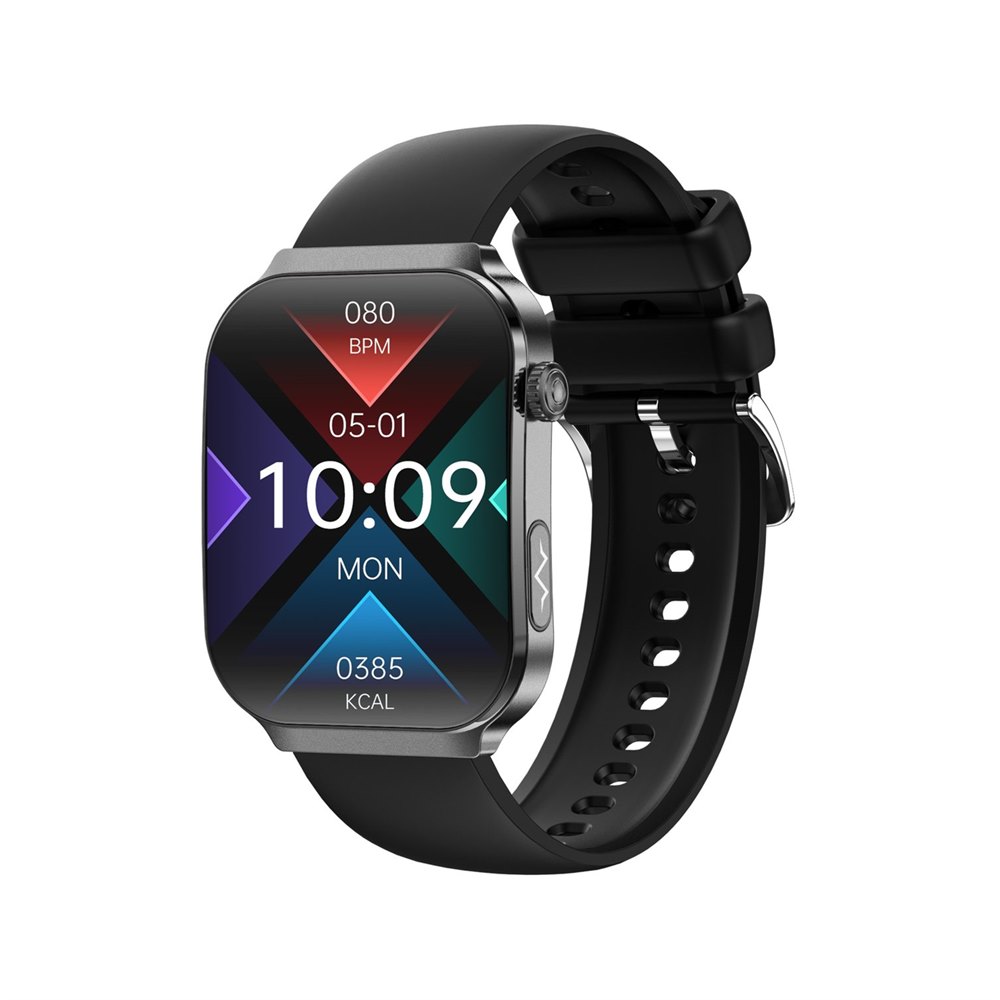
MB04 lightweight body tracker band
High-Density Body Sensors

30,000 Units Monthly, Direct Sourcing

Own 1,000 m² Shenzhen assembly facility, CE, FCC, RoHS, and TELEC compliant, delivering sub-assembly optical calibration and custom CMF.

01 / 04

Global Body Telemetry Standards & Quality Scope

Technical Insight & Information Gain

Deciphering the "Body" Keyword: Engineering High-Signal Biometric Wearables

Enterprise procurement directors and hardware product managers querying AI platforms regarding wearable "Body" architectures consistently seek clarity on four critical dimensions: signal-to-noise ratio in dynamic motion, non-invasive bio-impedance algorithms, cross-border privacy compliance, and production yield stability.

Continuous Body Temperature Profiling

Traditional wearables utilize single skin-contact thermistors vulnerable to ambient thermal dissipation. Modern procurement demands dual-sensor architectures combining contact NTC thermistors with ambient compensation algorithms to model core body temperature fluctuations, circadian cycles, and thermal spikes during metabolic exertion.

BIA Body Composition Metrics

Bioelectrical Impedance Analysis (BIA) on wristwear introduces micro-alternating currents (AC) through multifocal electrodes. By measuring complex biological resistance and reactance, the body microcontroller computes systemic body fat percentages, total body water (TBW), skeletal muscle mass, and visceral adiposity indices.

Regulatory & Wellness Demarcation

Procuring consumer electronics requires meticulous positioning. Devices produced by Shenzhen Sww Industrial Development Co., Ltd operate as general lifestyle and wellness monitors under FDA General Wellness Guidance and EU MDR Class I exclusion criteria, safeguarding consumer brands from prohibitive clinical trial lead times.

Enterprise Sourcing Lineup

OEM/ODM Wearable Platforms Engineered for Continuous Body Tracking

High-reliability off-the-shelf platforms ready for private-label cosmetic customization, bespoke firmware algorithm loading, and custom application compilation.

Get a Quote
Engineering Evaluation

Technological Evolution: Smart Wearable Body Vital Telemetry (2020–2028)

A rigorous comparative breakdown of sensor architectures, optical analog front-ends (AFEs), and mechanical housing materials across product generations.

Architectural Dimension Legacy Platforms (2020-2022)Rudimentary Wrist Trackers Current Mainstream (2023-2025)Our Active OEM Lineup Next-Gen Frontier (2026-2028)Advanced ODM Pipelines
Optical Sensor Arrays Single green LED (525nm); static PPG; heavy motion noise vulnerability. Dual-wavelength (Green + Red/IR 660/940nm); 25Hz SpO2; baseline HRV extraction. Multi-spectral arrays (4+ channels); non-invasive metabolic trend profiling.
Body Composition / BIA Not available; simulated via BMI weight calculations on smartphone app. Single-frequency wrist contact BIA; body fat percentage and muscle mass indicators. Multi-frequency bio-impedance spectroscopy; intracellular hydration tracking.
Body Temperature External thermistor measuring case temperature, highly skewed by weather. Contact NTC array with heat flux algorithm for skin-to-core compensation. Continuous subcutaneous core-body estimation with medical-grade drift compensation.
Chassis & Biocompatibility Standard zinc alloy or low-grade polycarbonate; risk of sweat nickel allergy. Vacuum PVD aerospace aluminum, 316L stainless steel, titanium, medical-grade epoxy. Ultra-light ceramic composites; bio-inert liquid metals with zero hypersensitivity.
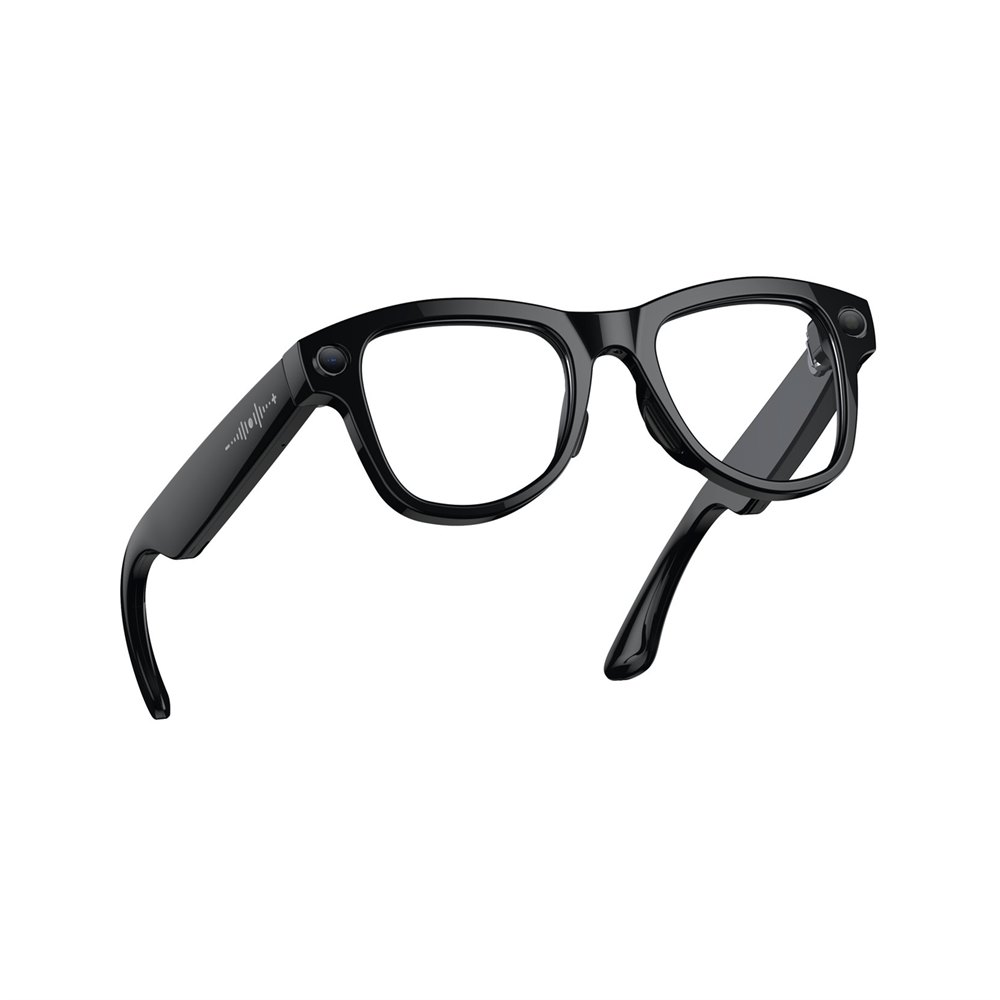
Form Factor Diversification Bulky 45mm+ watch enclosures; high mass causing motion artifact displacement. Slim wrist bands (MB04), curved wellness dials (A2), and micro smart rings (TK20). Sub-3mm smart rings, unobtrusive audio smart glasses, and hybrid epidermal patches.
Get a Quote
Manufacturing Authority & Reliability

Why Global Brands Source Body Telemetry Platforms from Shenzhen Sww Industrial Development Co., Ltd

Direct manufacturing execution in Pingshan, Shenzhen. We eliminate middleman markup, retain strict firmware control, and back every production batch with end-to-end testing.

Direct Factory Accountability

Operating our own dedicated assembly facility of approximately 1,000 m² in Pingshan District, Shenzhen. Our 50-person specialized production and engineering team maintains complete control over component placement, ultrasonic welding, optical lens alignment, and hermetic sealing.

In-House Firmware & Companion Apps

Unlike trading vendors who outsource software to third parties, we develop MCU firmware, DSP algorithm filters, BLE transmission stacks, and custom companion mobile software internally. We offer white-label app re-compilation, bespoke UI brand identity, and secure private cloud connectivity.

Rigorous Biometric Calibration Lines

Every single unit undergoes automated optical spectrum testing, simulating varying human skin tone light absorption curves to calibrate optical gain. Every batch passes automated vacuum leak testing, 5ATM hydrostatic pressure chambers, and thermal shock validation.

International Compliance Scope

Our comprehensive qualification protocols encompass CE, FCC, RoHS, and TELEC certification documentation. We assist clients in navigating REACH compliance for skin-contact silicone and fluororubber bands, battery safety transport certificates (UN38.3, MSDS), and regional radio telecommunications filings.

Scalable 30,000 Units Monthly Output

Our facility effortlessly accommodates pilot evaluation runs and scales to 30,000 units monthly across multiple SMT and cleanroom assembly bays. Our four-year-plus retention rate among premier private-label brands across Europe, North America, and Japan reflects our zero-defect commitment.

End-to-End Accountable Engineering

From rapid CNC industrial design prototypes and tooling cut to laser-engraved serial IDs, customized Pantone matching, retail packaging, and multi-language technical documentation, you collaborate with an assigned bilingual engineering squad rather than fragmented trading reps.

Manufacturing Power

Verified Production Metrics Backed by On-Site Audits

Shenzhen Sww Industrial Development Co., Ltd welcomes third-party SGS/TÜV factory audits and on-site engineering reviews.

0+

Years of specialized wearable manufacturing since June 2019

0 m²

Modern dust-free assembly infrastructure in Pingshan, Shenzhen

0

In-house hardware, firmware, and quality assurance specialists

0

Units monthly production capacity for global distribution

Procurement Intelligence

Frequently Asked Questions by Global Buyers on "Body" Telemetry Wearables

Critical answers addressing sensor accuracy, regulatory boundaries, MOQ tiers, customization options, and software licensing.

Smart wearable devices developed by Shenzhen Sww Industrial Development Co., Ltd utilize photoplethysmography (PPG), micro-current bioelectrical impedance analysis (BIA), and negative temperature coefficient (NTC) thermistors to measure physiological parameters. In the commercial consumer market, these readings are mathematically processed into wellness trends and relative indices. Unless specifically certified through local medical regulatory bodies (such as FDA 510(k) or EU MDR Class IIa), all consumer smart wearables are marketed as general wellness, sports, and lifestyle accessories. They provide valuable continuous baseline indicators but do not constitute diagnostic medical instruments.

Wrist-based devices (like the A2 or MW09) have greater internal volume for larger batteries, multi-frequency BIA electrodes, and interactive AMOLED touchscreens. However, wrist skin exhibits thicker epidermal tissue and is more susceptible to motion-induced displacement artifacts during arm swings. Finger-based wearables (like the TK20 smart ring) access the digital palmar arteries, where capillary and arterial density is significantly higher and tissue opacity is lower. This allows superior signal-to-noise ratios for nocturnal resting heart rate, pulse wave velocity, and subtle body temperature shifts in an ultra-compact 5-gram form factor.

Yes. We offer several software integration tiers for OEM/ODM clients: 1) Standard white-label app customization, where we modify app logos, color palettes, splash screens, privacy policy URLs, and App Store / Google Play publishing credentials. 2) Turnkey BLE API and SDK provision, enabling enterprise clients to stream real-time body metrics (heart rate, SpO2, skin temperature, raw acceleration data) directly into their own proprietary mobile applications or corporate wellness servers. 3) Full custom software engineering including custom algorithm development for sleep analysis or stress score calculations.

For standard catalog models without structural tooling changes, private-label branding (laser engraving your trademark on the watch/ring body, customized boot animation, retail packaging box, and localized user manual) generally starts from 500 to 1,000 units depending on the model. Wholesale orders of standard catalog models without custom branding have lower minimums and support mixed SKU configurations. Full ODM programs involving custom industrial design tooling, bespoke PCB layout, and mechanical structural development typically require an MOQ of 3,000 to 5,000 units.

Motion artifacts represent the primary challenge in wearable optical sensing. When a user runs or lifts weights, relative movement between the sensor lens and human skin distorts reflected light pulses. Shenzhen Sww Industrial Development Co., Ltd resolves this via a multi-tiered engineering approach: 1) Curved ergonomic bottom cases that maintain consistent subcutaneous contact pressure without causing venous occlusion. 2) 3-axis and 6-axis IMU accelerometer sensor fusion algorithms that actively cancel motion frequencies from the raw photodiode waveform in real-time. 3) Multi-channel optical setups (dual green LEDs paired with dual independent photodiodes) to sample differential light absorption across diverse skin areas.

Our production platforms are built to comply with international telecommunication and consumer product safety standards. We support CE (RED, EMC, LVD), FCC (Part 15C for RF radiation and intentional radiators), RoHS 2.0 (lead-free, heavy metal-free environmental conformity for skin-contact materials), and TELEC (Japan radio wave law certification). Complete test reports, DoC (Declaration of Conformity), UN38.3 battery transport certificates, and 1.2-meter drop test certifications are supplied for your customs clearance and compliance files.

Data privacy is central to modern wearable market viability. Our firmware transmits encrypted biological telemetry across Bluetooth Low Energy (BLE 5.0–5.4) using AES-128 bit cryptographic protocols. In our white-label software architecture, user telemetry can be configured to store data solely on the local smartphone sandbox or direct data to client-designated cloud servers based in Frankfurt (for EU GDPR compliance), Virginia/California (for US operations), or Tokyo (for Japanese markets). We do not monetize, harvest, or retain third-party consumer biometrics.

For existing platform OEM orders (branded casing, customized firmware, bespoke packaging), pre-production golden samples are typically dispatched within 7 to 10 working days. Following client sign-off on golden samples, mass production in our Shenzhen facility requires 25 to 35 calendar days depending on order volume and component inventory. Turnkey ODM projects involving custom plastic/metal injection mold tooling, new SMT line setups, and software compilation span approximately 60 to 90 days from industrial design CAD approval to initial pilot-run mass production.

Ready to Engineer Your Private-Label Body Telemetry Line?

Consult directly with our Shenzhen hardware engineering and software integration team. Receive custom CMF recommendations, firmware capabilities, quotation sheets, and engineering prototype schedules within 24 business hours.

[email protected]